The word “pairing” often sounds far more intimidating than it actually is. At its core, the concept is simple: finding combinations where the wine and the food elevate each other, rather than one overpowering the other. You don’t need to be a certified sommelier to get it right—just grasp a couple of foundational principles.
Why Wine Pairing Doesn’t Have to Be Complicated
For decades, food and wine pairing was taught as a rigid set of dogmatic rules: red with meat, white with fish, case closed. Real life is much more flexible and enjoyable than that. What truly matters is the weight of the dish (how rich, fatty, or heavily seasoned it is) and the weight of the wine (its body, acidity, and tannins)—not simply the color of the protein on your plate.
The Core Principle: Match Weight with Weight
If you could only keep one guiding principle in mind, let it be this: a delicate dish requires a light wine, while an intense, hearty dish demands a wine with greater structure. A simple grilled white fish with lemon juice gets completely flattened next to a full-bodied Cabernet Sauvignon; conversely, a rich charcoal-grilled steak needs that exact muscular structure so the pairing doesn’t feel lopsided.
Building from that baseline, here are key nuances to fine-tune your choice:
- Wine acidity works wonders with rich, fatty foods, because it acts as a palate cleanser between bites
- Tannins (found predominantly in red wines) bond beautifully with protein and fat, which soften their grip; with very delicate foods, heavy tannins can feel unpleasantly astringent
- Sweetness in food generally calls for a wine that has comparable sweetness or intensely ripe fruit, preventing the wine from tasting sour or hollow
Quick Guide by Food Type
Red Meat and Grilled Cuts: Cabernet Sauvignon or Carmenère. Both possess the body and structured tannins required to stand tall alongside the fat and char of grilled meats without getting overshadowed.
White Meats (Chicken, Turkey): It depends on the preparation. If grilled or roasted with fresh herbs, a Pinot Noir or a smooth Merlot works wonderfully as a lighter red. If served with creamy or buttery sauces, a barrel-aged Chilean Chardonnay is an exceptional match.
Fish and Seafood: Sauvignon Blanc is the safest and most brilliant choice, especially with raw shellfish (ceviche, oysters) or delicate white fish, thanks to its vibrant coastal acidity. For oilier fish like salmon or albacore tuna, a crisp Chardonnay or a chilled, light Pinot Noir will shine.
Pasta with Tomato-Based Sauces: A red with lively, balanced acidity like a young Carmenère, Cabernet Franc, or Merlot complements the natural tang of cooked tomatoes without fighting it.
Pasta with White or Creamy Sauces: A full-bodied, barrel-fermented Chardonnay, or an aromatic Sauvignon Blanc if the sauce incorporates lemon zest or fresh herbs.
Spicy Cuisine: Wines with a touch of off-dry residual sugar or low tannin extraction help soften chili heat rather than amplifying it. High-tannin reds tend to clash sharply with spicy food and burn the tongue, so they are best avoided here.
Cheeses: Fresh cheeses (such as goat cheese or fresh mozzarella) harmonize best with high-acid crisp white wines, whereas aged and hard cheeses pair naturally with medium-to-full-bodied reds like Carmenère or Cabernet. For a detailed breakdown, check our cheese and wine pairing guide.
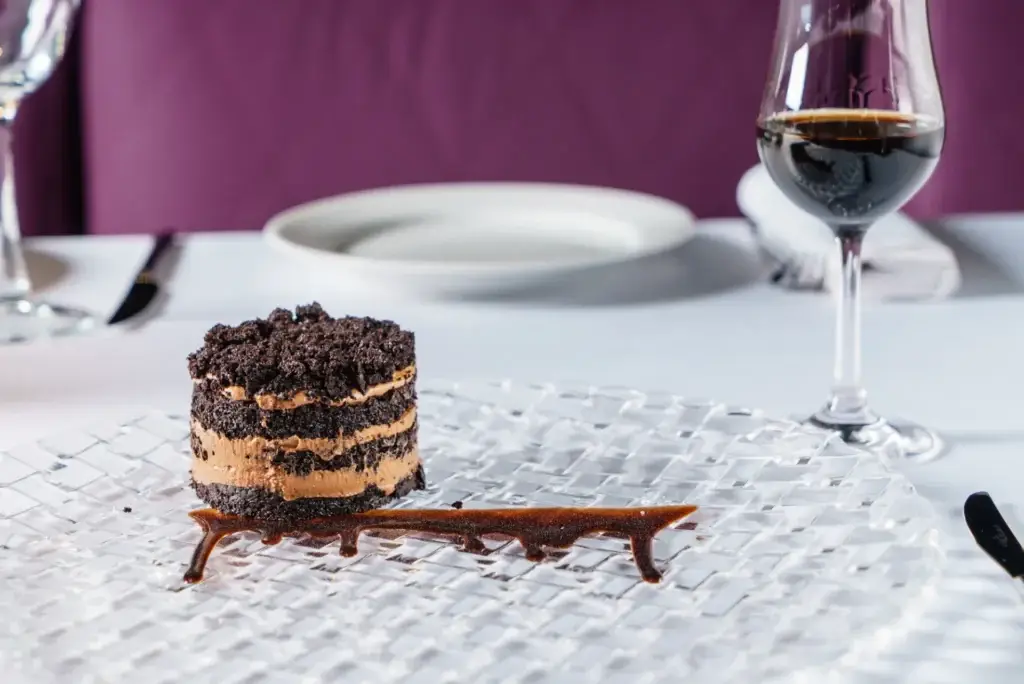
Desserts: Key golden rule: the wine must always be at least as sweet as the dessert, otherwise it will taste dry and bitter by comparison. For dark chocolate, full-bodied sweet reds or late harvest wines with spicy undertones work far better than dry whites.
The Most Common Pairing Mistakes
- High-tannin red with delicate fish: Tannins react chemically with fish oils, creating an unpleasant metallic, fishy aftertaste on the tongue.
- Overly sweet wine with a mildly sweet dessert: The wine overwhelms the dessert, feeling cloying rather than complementary.
- Ignoring the sauce and focusing only on protein: Roast chicken served with a rich red wine reduction behaves completely differently than lemon-herb grilled chicken breast. The sauce almost always dictates the wine pairing more than the meat itself.
What to Do When You Only Have What’s in Your Wine Rack
If you have an open bottle or need to grab one from your kitchen rack without overthinking, start by checking the grape variety on the label. That gives you immediate guidance: a full-bodied red (Cabernet Sauvignon, Carmenère) points toward red meat and barbecue; a crisp white (Sauvignon Blanc) calls for fresh seafood or salads; a lighter red (Pinot Noir, País, Cinsault) will work seamlessly with roasted poultry or mild pastas.
Pairing is a Compass, Not a Law
None of these recommendations are unbreakable laws that will ruin your evening if you don’t follow them verbatim. Pairing exists to enhance your enjoyment, never to restrict your curiosity. If you love a particular wine with a dish that “theoretically shouldn’t” match, your enjoyment is 100% valid. At the end of the day, the only rule that truly matters is what brings you pleasure in the glass.