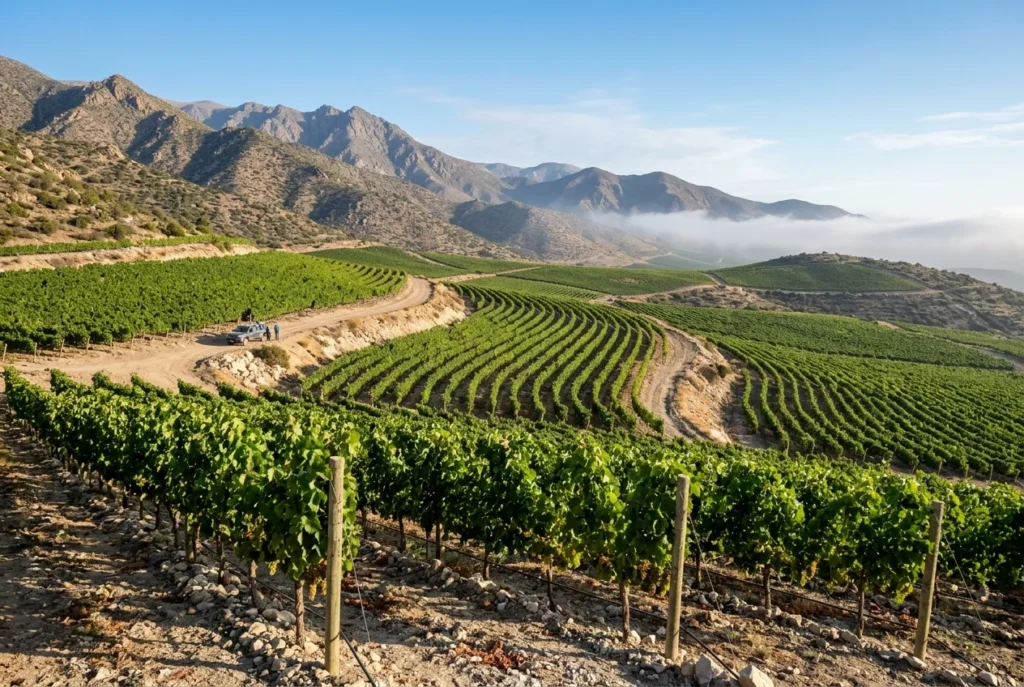
If Chile has a foundational valley for wine, it is the Maipo Valley. Here, the first French grape varieties to reach the country were planted in the 19th century, and here stand some of South America’s oldest and most storied wineries—many less than an hour’s drive from downtown Santiago.
Where It All Began
In the mid-19th century, an enterprising group of Chilean landowners who had traveled to Europe returned with a bold vision: import noble French vines to replace the colonial Criolla varieties cultivated since Spanish rule. The Maipo, with its close proximity to Santiago and deep alluvial soils washed down from the high Andes, was the natural terroir to begin.
That 19th-century experiment became the cornerstone of Chile’s modern wine industry. Landmark estates such as Santa Rita (1880), Concha y Toro (1883), and Cousiño Macul (1856) were founded in those pioneering years, and many remain among the country’s most celebrated wineries to this day.
Three Sectors, Three Distinct Personalities
The Maipo is far from a uniform valley. It is divided into three distinct sectors shaped by varying soils and elevations, a nuance few travelers realize before visiting:
Alto Maipo: The sector closest to the towering Andes mountain range, encompassing historic areas like Pirque and Buin. Cold nocturnal breezes descending from the peaks create a dramatic day-to-night temperature swing ideal for Cabernet Sauvignon, the valley’s crowning grape. This is where the most historic, visited wineries are located.
Maipo Medio: Situated further into the valley floor, featuring deeper alluvial soils and a slightly warmer, more temperate climate. It yields reds with softer tannins and approachable roundness.
Maipo Costa: The coastal western fringe, tempered by cooling maritime breezes from the Pacific Ocean. It represents a burgeoning frontier within Chilean wine tourism, with exciting boutique experiments in cool-climate varieties.
Why Cabernet Sauvignon Reigns Supreme
While Colchagua is celebrated for Carmenère and Casablanca for crisp whites, Maipo’s hallmark identity is indisputable: Alto Maipo Cabernet Sauvignon is regarded by top winemakers as the finest in South America. The combination of rocky, gravel-rich soils (forcing deep root penetration and low vigor) and sharp mountain temperature drops creates wines with chiseled structure, velvety tannins, and incredible aging potential—bottles crafted to evolve gracefully for 10 to 15 years.
Essential Wineries to Visit
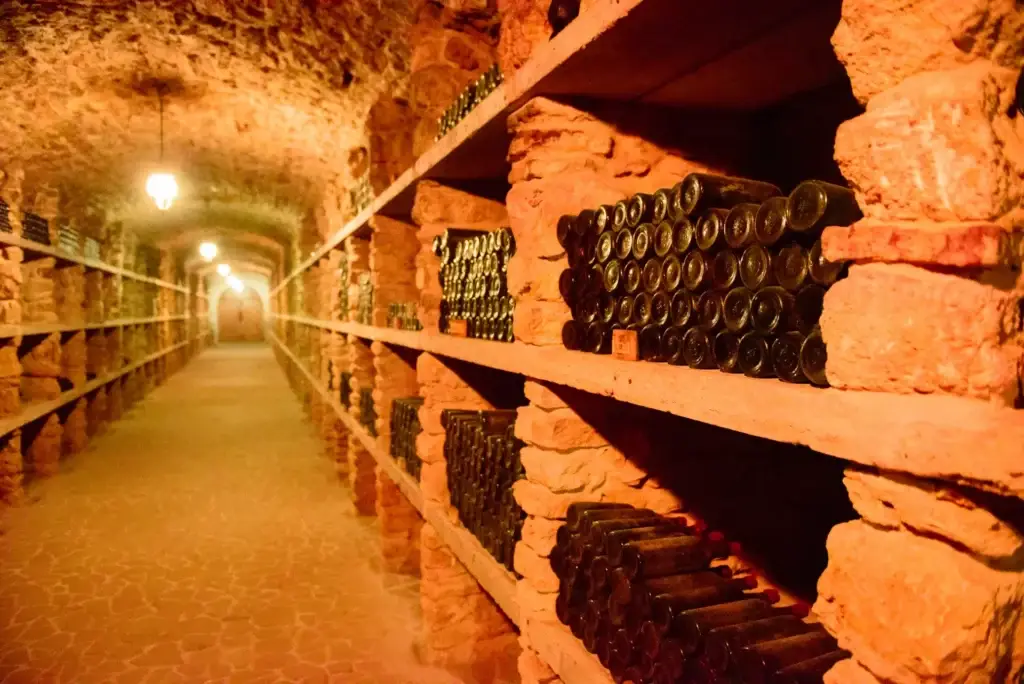
- Concha y Toro: Chile’s most renowned estate, famed for its legendary 19th-century “Casillero del Diablo” underground cellars.
- Santa Rita: Featuring an exceptional 40-hectare heritage park designated a National Historic Monument, colonial manor house, and the Andean Museum.
- Cousiño Macul: Retains active vineyards within the urban perimeter of Santiago—a rarity among world capitals.
- Viña Aquitania: A boutique jewel founded by legendary Bordeaux winemakers, focusing on artisanal high-end wines and intimate guided tastings.
- De Martino: A pioneer in organic and biodynamic winemaking in the valley, famous for natural fermentations in ancestral clay amphorae.
How to Plan Your Visit
From Santiago: Alto Maipo is under 45 minutes from downtown Santiago, making it the most effortless wine region for a half-day excursion without the need to switch hotels.
How Many Wineries: Visiting two estates unhurriedly is the ideal pace for a relaxed morning or afternoon. Because properties in Alto Maipo are clustered close together, adding a third stop is very manageable.
Dining & Pairings: Several top wineries in this sector operate superb onsite restaurants (such as Doña Paula at Santa Rita), enabling a seamless itinerary of touring, tasting, and lunching on estate grounds.
Best Time to Visit: Grape harvest takes place from March through April for late-ripening reds like Cabernet Sauvignon. If you wish to witness harvest and crush in action, early autumn is the ideal window.
Compared to Nearby Valleys
Against Casablanca, Maipo offers concentrated, full-bodied reds rather than mineral whites; compared to Colchagua, it offers immediate proximity to Santiago, bypassing the 2.5-hour highway trip south. If your schedule allows for only a single wine excursion and you want world-class age-worthy reds steeped in heritage, Maipo is the quintessential choice.
A Legend That Continues to Grow
The name “Casillero del Diablo” originates from an authentic Maipo lore: in the late 1800s, founder Don Melchor de Concha y Toro spread rumors that the Devil himself haunted his cellar to deter thieves from stealing his finest private reserves. The trick proved so remarkably successful that, more than a century later, it remains one of the world’s most recognized wine legends.
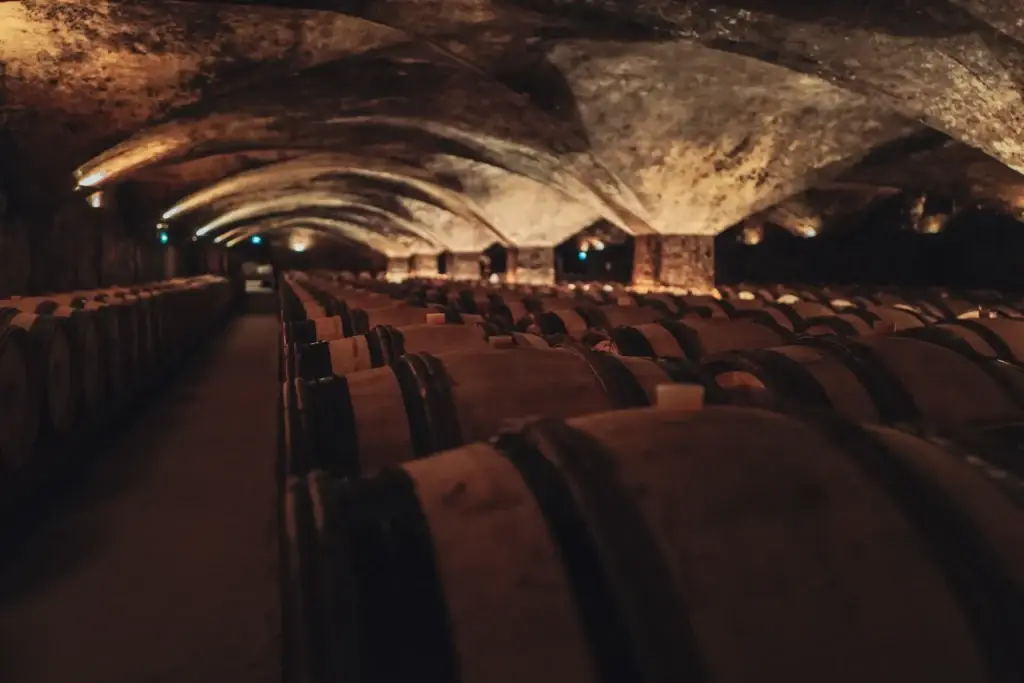
This story encapsulates the spirit of the Maipo Valley: a terroir where heritage, landscape, and legend are not marketing embellishments, but the living history of how Chilean wine was built, barrel by barrel.