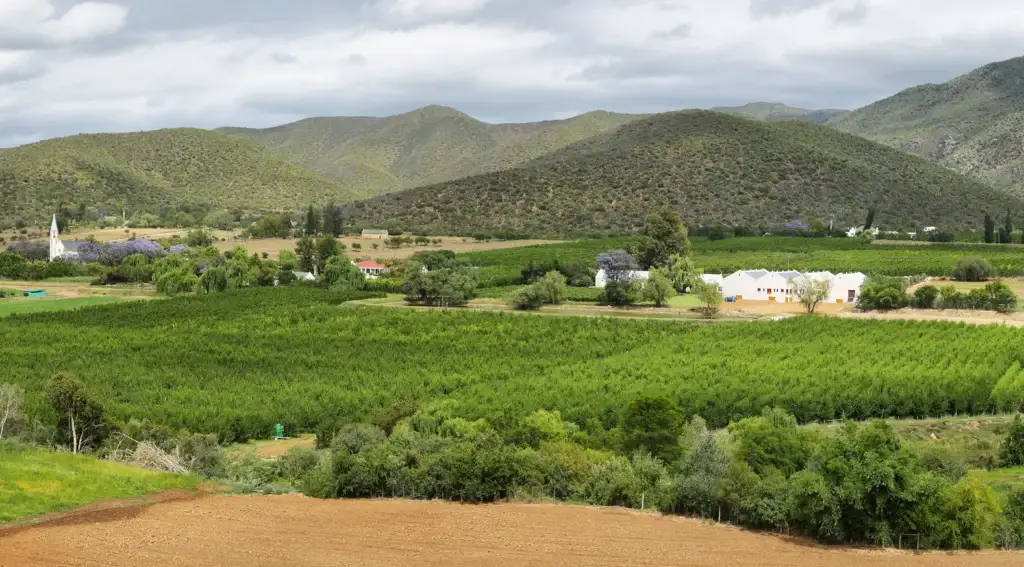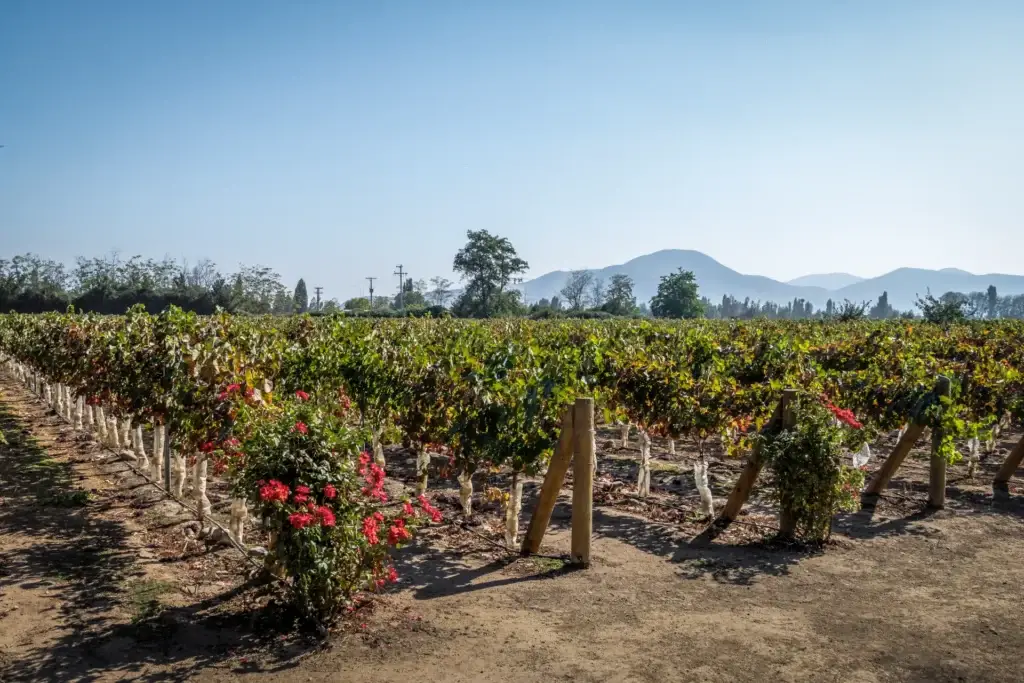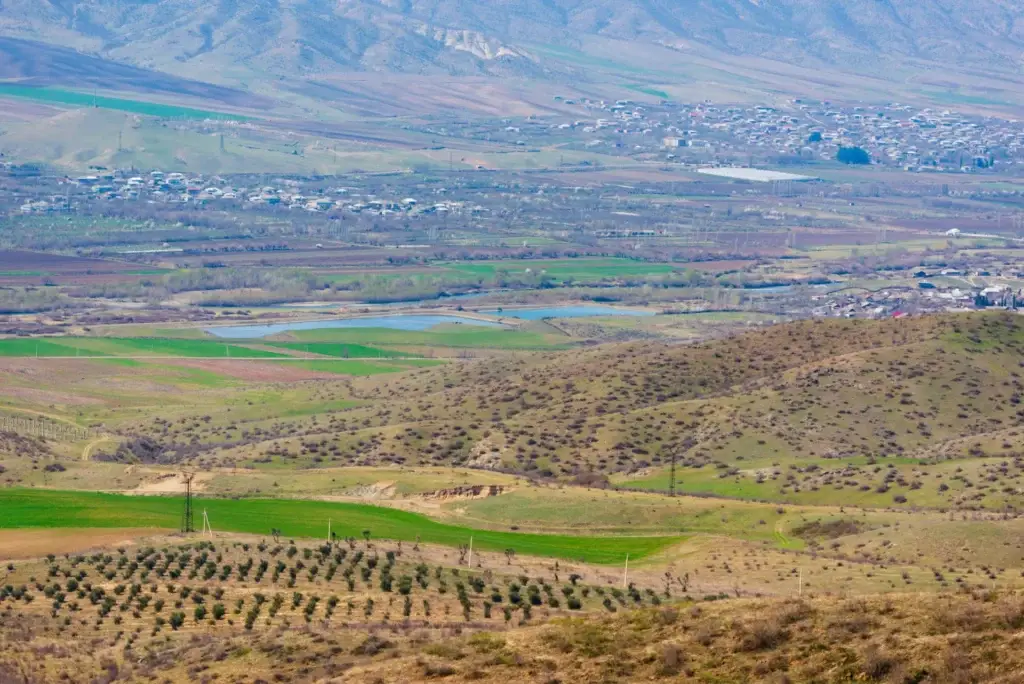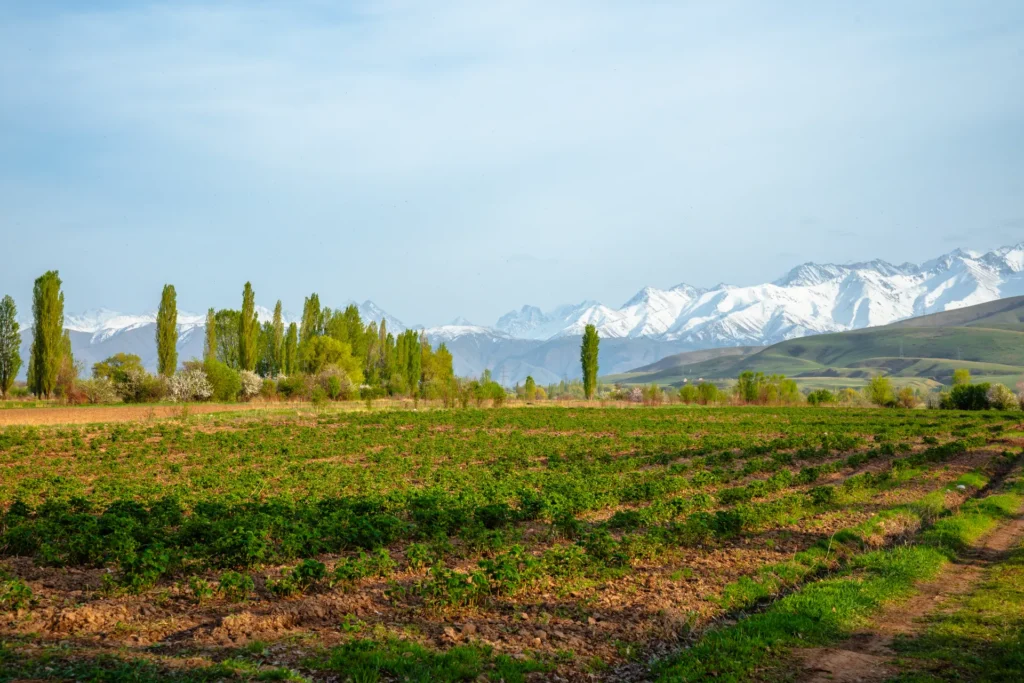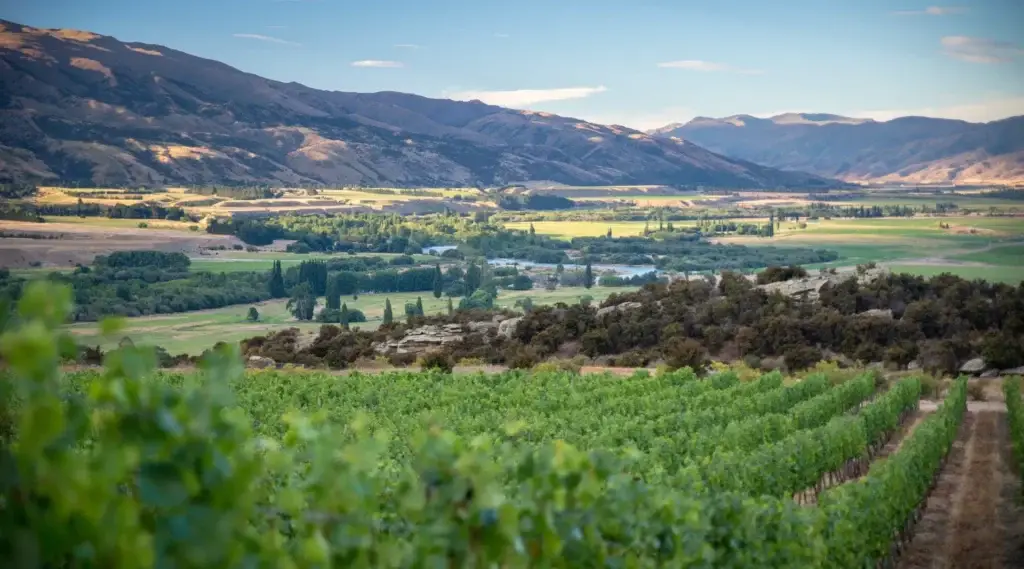
When thinking of Chilean wine valleys, the image that usually comes to mind is the lush green vineyards of the central zone, such as the historic Maipo Valley or the sun-drenched hills of Colchagua. However, some 400 kilometers north of Santiago, right at the transition into the semi-arid Norte Chico and the fringes of the Atacama Desert, lies the Limarí Valley: the best-kept secret among sommeliers and the birthplace of Chile’s most vibrant, saline, and mineral-driven wines.
While other valleys compete for fruit opulence and sheer concentration, Limarí stands out for its austere elegance. Its unique combination of ancient marine-origin soils rich in calcium carbonate (chalk and limestone) and the cooling Pacific sea mist grants its wines a distinct profile that international critics frequently compare to legendary Old World regions such as Chablis or the Northern Rhône.
Article Contents
- An Unusual Terroir: Between the Desert and the Camanchaca Mist
- A Geological Miracle: Limestone, Chalk, and Ancient Seashell Soils
- Signature Varieties: The Realm of Chardonnay and Cool-Climate Syrah
- Other Varieties Thriving in the North
- Tasting Notes: How to Identify a Limarí Wine
- Leading Wineries and How to Plan Your Visit
An Unusual Terroir: Between the Desert and the Camanchaca Mist
At first glance, the Coquimbo Region might seem like a hostile environment for European viticulture: minimal annual rainfall, intense solar radiation, and a rugged semi-desert landscape dotted with cacti and stony hills. Nevertheless, Limarí enjoys a unique geographic blessing: the Coastal Mountain Range dips in elevation here, opening a low natural corridor through which the camanchaca (dense Pacific maritime fog) rolls inland every single morning.
This coastal blanket covers the vineyards until late morning, dropping temperatures dramatically and replenishing ambient humidity. When the sun finally burns through the mist, the vines are bathed in pure, luminous northern light, allowing the grapes to ripen slowly and evenly without losing their vital, crisp natural acidity.
A Geological Miracle: Limestone, Chalk, and Ancient Seashell Soils
If there is one definitive feature that separates Limarí from every other valley in Chile, it is its soil. In a nation dominated by volcanic and heavy clay soils, Limarí boasts alluvial terraces packed with calcium carbonate (limestone and chalk), formed millions of years ago when the ancient seabed was pushed upward to the surface.
The vine roots penetrate deep into these pale chalky layers and sedimentary clays, imparting tangible characteristics directly into the glass:
- It restricts the plant’s vegetative vigor, concentrating nutrients into small, loose berry clusters.
- It delivers razor-sharp, vertical, and focused acidity.
- It imparts a distinctive chalky, saline texture on the mid-palate, yielding a remarkably long, savory finish.
Signature Varieties: The Realm of Chardonnay and Cool-Climate Syrah
While various grape varieties are cultivated across Limarí, two have earned world-class acclaim on these chalky soils:
1. Chardonnay: Chile’s Most Mineral White Wine
Unlike warm-climate expressions or the tropical exuberance of Casablanca Valley, Limarí Chardonnay is defined by its tension and savory restraint. Key aromatic markers include preserved lemon peel, orange blossom, wet stones, chalk dust, and an unmistakable saline finish. As detailed in our guide to Chilean Chardonnay, it possesses extraordinary cellar-aging potential that develops gracefully over the years.
2. Cool-Climate Syrah: Cracked Black Pepper and Savory Notes
Limarí Syrah is the total opposite of heavy, jammy New World reds. Here it showcases its most refined, cool-climate expression: aromas of tart black plum, fresh violets, black olive tapenade, cured meats, and freshly cracked black peppercorn, supported by firm yet finely powdered limestone tannins.
Other Varieties Thriving in the North
The valley’s potential continues to evolve with exciting plantings:
- Pinot Noir: In near-coastal sub-sectors like Quebrada Seca, it produces vibrant, mineral, and red-fruited bottlings that rival those of the San Antonio and Leyda Valley.
- Sauvignon Blanc: Less grassy and herbaceous than central valley versions, displaying a laser-focused citrus, flinty, and saline profile that excels at the dining table.
- Moscatel: Building on a rich regional heritage linked to artisanal pisco distillation, several visionary winemakers are crafting aromatic, bone-dry heritage white wines.
Tasting Notes: How to Identify a Limarí Wine
| Variety | Nose Profile | Palate Impression |
|---|---|---|
| Chardonnay | Grapefruit, green apple, raw hazelnut, flint, sea spray | Vertical, vibrant, chalky texture, pronounced salinity |
| Syrah | Wild blueberry, black olive, graphite, crushed peppercorn | Fresh, fine-grained mineral tannins, juicy and buoyant |
Leading Wineries and How to Plan Your Visit
The modern emergence of the valley was driven both by historic wineries discovering its limestone potential and boutique terroir-focused ventures:
- Viña Tabalí: True pioneers who thoroughly mapped the valley’s complex geology, vinifying plots based on calcium carbonate concentrations (lines such as Talas, Vetas Blancas, and their iconic red Payen).
- Concha y Toro (Quebrada Seca): From this coastal estate comes one of the most internationally awarded white wines in Chilean history, the celebrated Amelia Chardonnay.
- Maycas del Limarí: A project dedicated to unearthing micro-terroirs and stony hillside terraces with minimal intervention.
Travel Tips for Visiting Limarí:
- Home Base: The agricultural city of Ovalle serves as the central hub for touring the valley, located roughly 50 minutes along a modern highway from the coastal twin cities of La Serena and Coquimbo.
- Sightseeing Highlights: Exploring Limarí’s wineries pairs perfectly with visiting Fray Jorge National Park (a UNESCO World Biosphere Reserve hosting an ancient valdivian cloud forest in the middle of semi-arid scrubland) and the pre-Columbian petroglyphs at the Valle del Encanto National Monument.