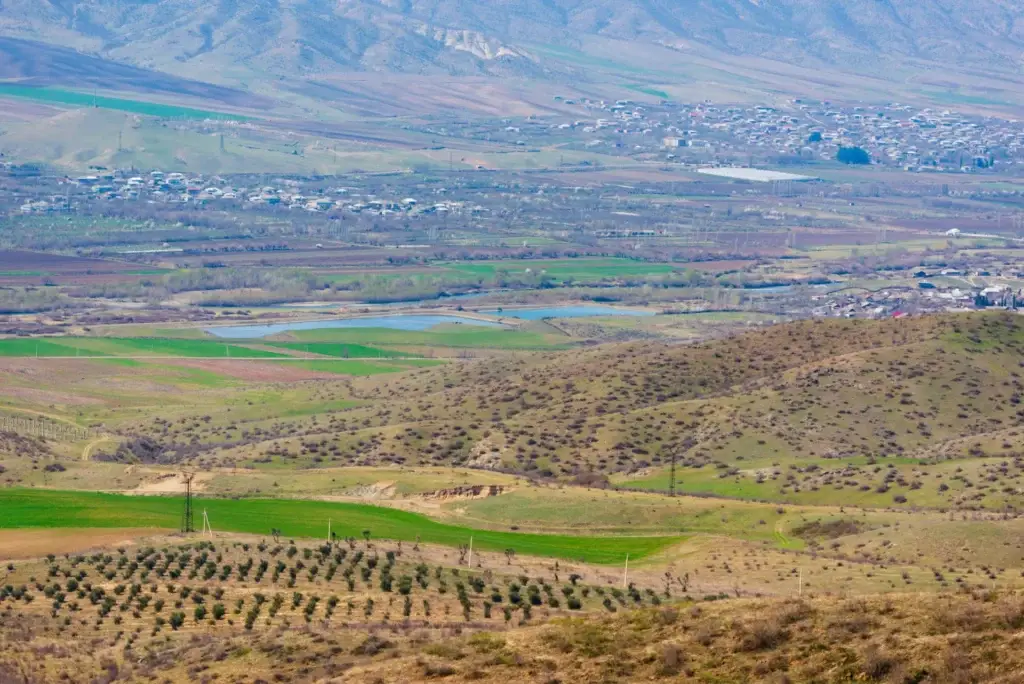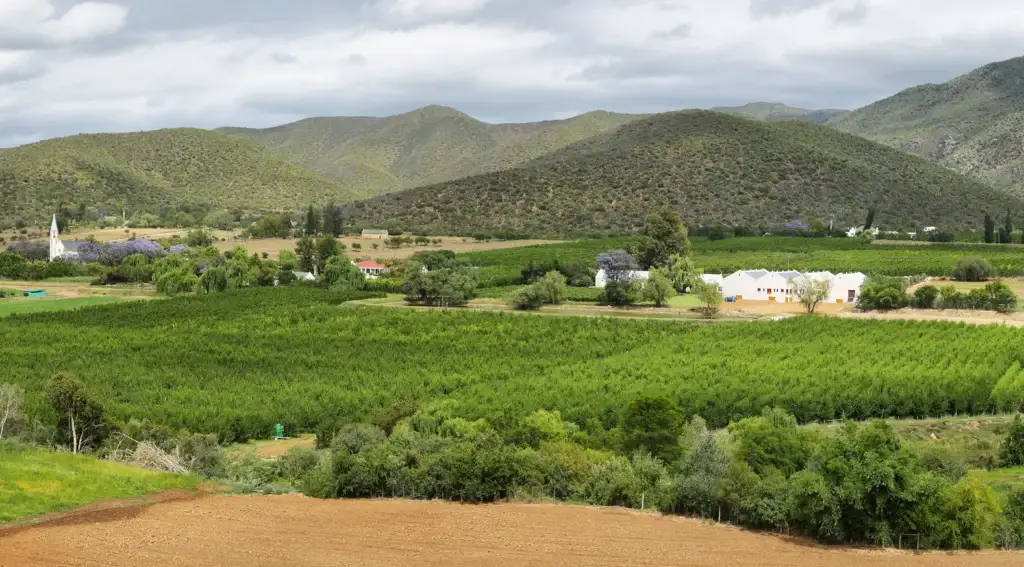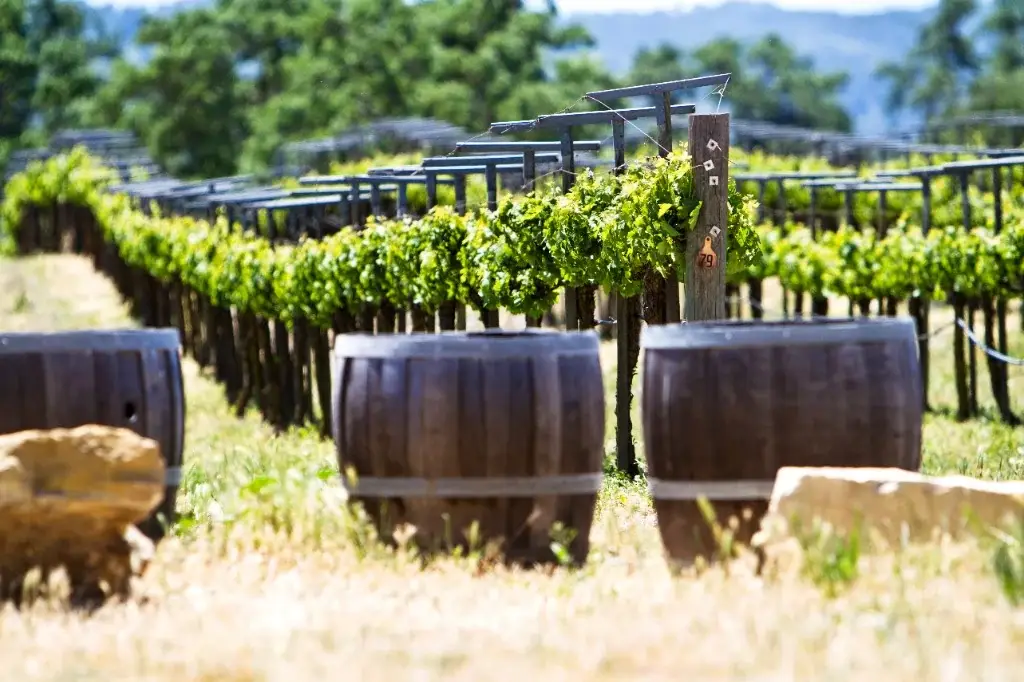
Just over an hour from Santiago, right along the central Pacific coastline, lies Chile’s youngest wine valley: San Antonio, best known for its premier sub-appellation, Leyda. While other valleys boast centuries of tradition, this region has been planted for barely two decades, yet it has already cemented its status among the most sought-after origins for wine lovers craving crisp, saline, and coastal wines.
Article Contents
- A Valley That Barely Existed 25 Years Ago
- Why It Is Chile’s Coldest Wine Valley
- What Leyda Grows and Why It Excels
- Differences with Casablanca, Its More Famous Neighbor
- How to Visit from Santiago
- Wineries to Begin Your Journey
- A Valley Still Writing Its Own History
A Valley That Barely Existed 25 Years Ago
Until the late 1990s, the area now known as Leyda did not appear on any viticultural map. It was widely deemed too cold, too wind-swept, and excessively close to the ocean to ripen wine grapes properly—the exact same mental barrier that delayed the development of Casablanca for decades. It wasn’t until 1997 that the first experimental vines were planted in the zone, and official government recognition as a Denomination of Origin followed in 2002.
This makes San Antonio literally the youngest major wine valley in Chile today, which also explains why its tourism scene is more recent, boutique, and compact compared to centuries-old historic regions.
Why It Is Chile’s Coldest Wine Valley
The secret to Leyda lies in its immediate proximity to the icy Pacific Ocean, even closer than that of Casablanca. This creates persistent, chilly ocean breezes throughout the entire growing season, along with consistently lower daytime temperatures. The result is an extended, slow ripening curve that allows the berries to develop complex aromatics and retain bright natural acidity without accumulating runaway sugar levels.
Paradoxically, this extreme cool-climate profile is precisely what propelled Leyda to global recognition for cool-climate grape varieties in less than twenty years—an achievement that took other valleys multiple generations to accomplish.
What Leyda Grows and Why It Excels
- Sauvignon Blanc: Piercing, citrusy, and saline, displaying razor-sharp acidity that makes it markedly different from the warmer central valleys.
- Pinot Noir: The red grape that firmly established Leyda on the global wine map. The cold, breezy climate provides the gentle conditions this fickle variety demands to achieve genuine aromatic purity, yielding bottlings that rival cool-climate benchmark regions in New Zealand and coastal California.
- Chardonnay & Cool-Climate Syrah: In smaller quantities, both varietals thrive in Leyda, producing tense, mineral, and savory profiles far removed from heavy, fruit-forward warm-valley styles.
Differences with Casablanca, Its More Famous Neighbor
It is common to confuse Leyda with Casablanca since both share maritime coastal influences, but distinct differences exist. Casablanca sits slightly further inland behind shielding rolling hills, experiencing slightly warmer afternoon peaks; Leyda receives the direct, unfiltered brunt of oceanic winds and cool fog. In the glass, Leyda whites typically deliver greater tension and a sharper saline edge, while Casablanca wines tend to be slightly rounder and more fruit-forward.
How to Visit from Santiago
Leyda is located just over an hour’s drive from Santiago, making it an effortless half-day or full-day excursion from the capital. Because it sits right by the coast, visitors frequently combine morning wine tastings with an afternoon lunch in coastal towns like Algarrobo, Isla Negra (home to Pablo Neruda’s house museum), or the port of San Antonio.
How Many Wineries to Visit: Because the valley is compact and highly focused, visiting two wineries at a leisurely pace is ideal for a half-day tour.
What to Expect: Being much younger than the historic haciendas of the Maipo Valley, the architecture here is decidedly contemporary and tours are streamlined, modern, and interactive.
Wineries to Begin Your Journey
For your first visit, prioritize wineries that craft both Sauvignon Blanc and Pinot Noir, allowing you to appreciate the full expressive breadth of Leyda’s maritime climate in a single stop. Most estates offer concise tasting flights of 3 to 5 wines, ideal for pairing two visits without feeling rushed.
A Valley Still Writing Its Own History
Leyda is modern proof that the perceived boundaries of where great wine can be grown in Chile are constantly evolving. Twenty-five years ago, nobody would have bet on this chilly, wind-blown oceanfront ridge. Today, it is among Chile’s most respected origins for world-class Pinot Noir and maritime whites.
It remains a legend in the making: Chile’s youngest valley, writing in record time a success story that took other regions centuries to build.