While Colchagua and Maipo capture global headlines for Chilean wine, a much older cradle often goes unmentioned: the Itata Valley. With more than 500 years of continuous viticultural history, Itata is the true birthplace of wine in Chile. Yet it spent decades relegated to bulk wine production until a dedicated group of visionary winemakers decided to revive the ancestral heritage that had been thriving there all along.
Article Contents
- Chile’s Oldest Wine Valley in the Ñuble Region
- Heritage Grape Varieties: An Identity Found Nowhere Else
- Why Itata Remained Off the Global Map for So Long
- The Natural Wine Renaissance in Itata
- Viña Chillán: A Swiss Vision in the Heart of the Valley
- How to Visit Viña Chillán and the Itata Valley
- Why Itata is a Must-Visit Wine Destination
Chile’s Oldest Wine Valley in the Ñuble Region
The Itata Valley is located in the southern region of Ñuble, southwest of the city of Chillán, traversed by the Itata and Ñuble rivers. Its name derives from the indigenous Mapudungun language, meaning “abundant grazing,” referring to the Mapuche communities that inhabited these fertile hills long before the arrival of the Spanish conquistadors.
It was Spanish settlers and Jesuit missionaries who brought the first European vines to Chilean soil and planted them here in the mid-16th century. Historical chronicles from the colonial era consistently ranked Itata’s wines among the finest in the entire realm, long before commercial wineries migrated north toward Santiago and the central valleys that most modern tourists visit today.
Heritage Grape Varieties: An Identity Found Nowhere Else
What makes Itata exceptional is not merely its ancient roots, but the heritage vines that have survived on its rolling granite hillsides:
- País (Mission / Criolla Chica): Chile’s oldest grape variety, brought by the Spanish in the 1500s. Long dismissed as rustic table wine, it has been triumphantly reclaimed by the low-intervention and natural wine movement, producing vibrant, light-bodied, and earthy reds.
- Moscatel de Alejandría: An intensely aromatic white grape traditionally used for sweet wines and pipeño, the cloudy, unpretentious farmhouse wine deeply rooted in Chilean rural culture.
- Cinsault: An ancient French variety that found its spiritual home in Itata’s dry-farmed soils, producing fresh, floral, and low-alcohol reds distinct from the powerful wines that dominate central Chile.
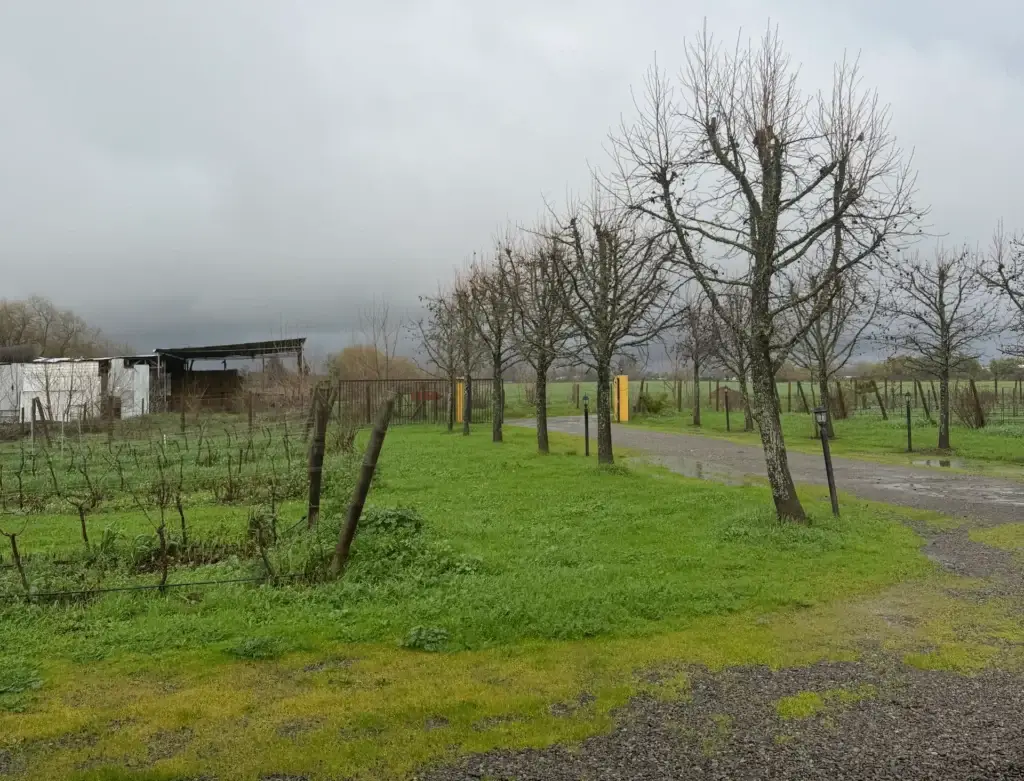
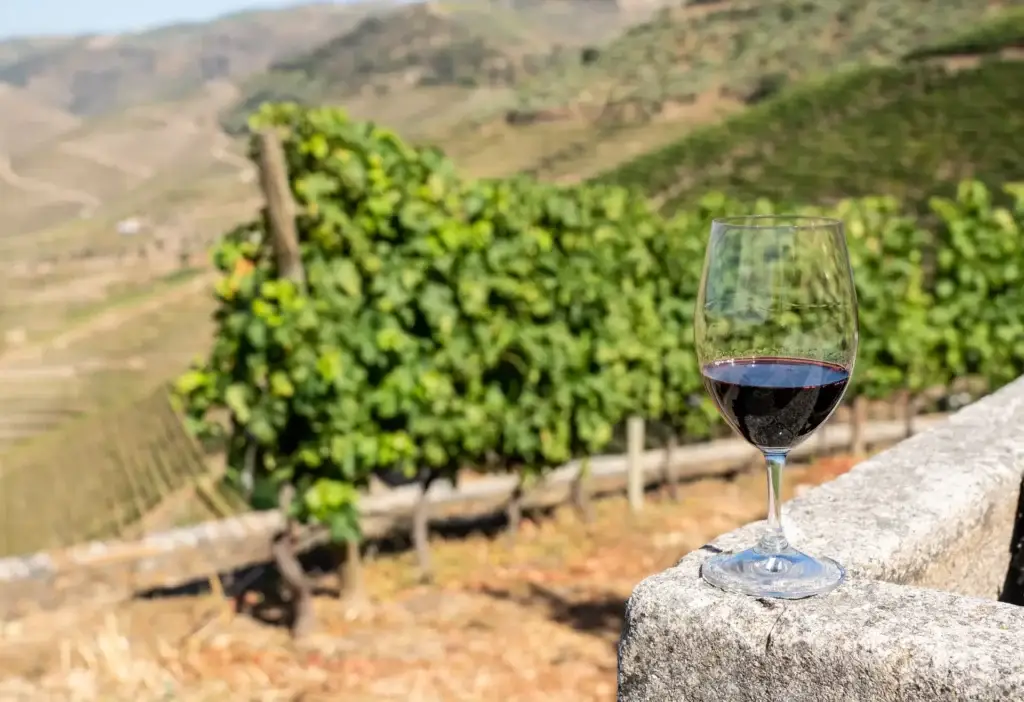
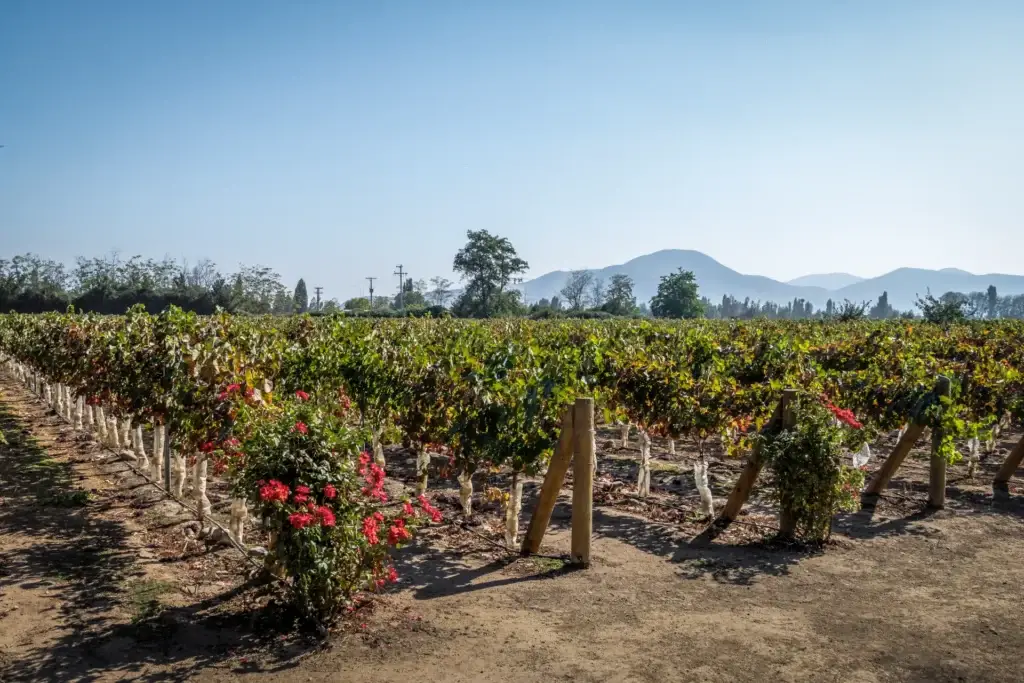
What makes these vineyards extraordinary is that many are dry-farmed without artificial irrigation, trained in traditional head-pruned bush vines (gobelet), with rootstocks often exceeding 100 or even 150 years of age. These ancestral practices vanished elsewhere in Chile but survived here out of sheer tradition, safely preserved away from the industrialization of the modern wine sector.
Why Itata Remained Off the Global Map for So Long
Throughout most of the 20th century, Itata’s cooler, wetter climate was viewed as a commercial handicap: it could not ripen heat-loving varieties like Cabernet Sauvignon or Carmenère, which defined the 1990s Chilean export boom. While Maipo and Colchagua built international prestige, Itata remained relegated to domestic table wine production.
Since the early 2000s, boosted by artisanal revival programs, the valley underwent a radical reinterpretation: no longer seen as a climatic limitation, but celebrated as South America’s most authentic reservoir of ancestral, non-grafted patrimonial viticulture.
The Natural Wine Renaissance in Itata
Itata’s rediscovery coincided with the global boom in natural wine, a philosophy seeking exactly what this valley never stopped offering: ancient ungrafted vines, dry farming, and minimal intervention winemaking. Boutique producers and sommeliers from around the globe flocked to Itata, captivated by centenarian parronales of País and Cinsault that would be revered as national treasures anywhere in Europe.
Today, Itata and neighboring Maule stand as the beating heart of natural and heritage wine in Chile, embracing lightness, authenticity, and historical preservation over high alcohol and heavy oak.
Viña Chillán: A Swiss Vision in the Heart of the Valley
Among this renaissance are remarkable projects with unique stories. Viña Chillán was born in 1998 under the name Tierra y Fuego, founded by three Swiss winemakers—Rudolf Rüesch, Karin Lenz-Meier, and Roland Lenz—who saw unique potential in Itata’s soils that they couldn’t find anywhere else in the world. In 2007, the estate was renamed Viña Chillán, as it is known today.
Located in the commune of Bulnes, in the Tres Esquinas area roughly 20 kilometers from Chillán, the winery cultivates 17 hectares producing a dozen different grape varieties, including rare Chilean bottlings such as Zinfandel. Around 80% of its wine ages in fine French and American oak, with a significant share exported directly to Europe.
How to Visit Viña Chillán and the Itata Valley
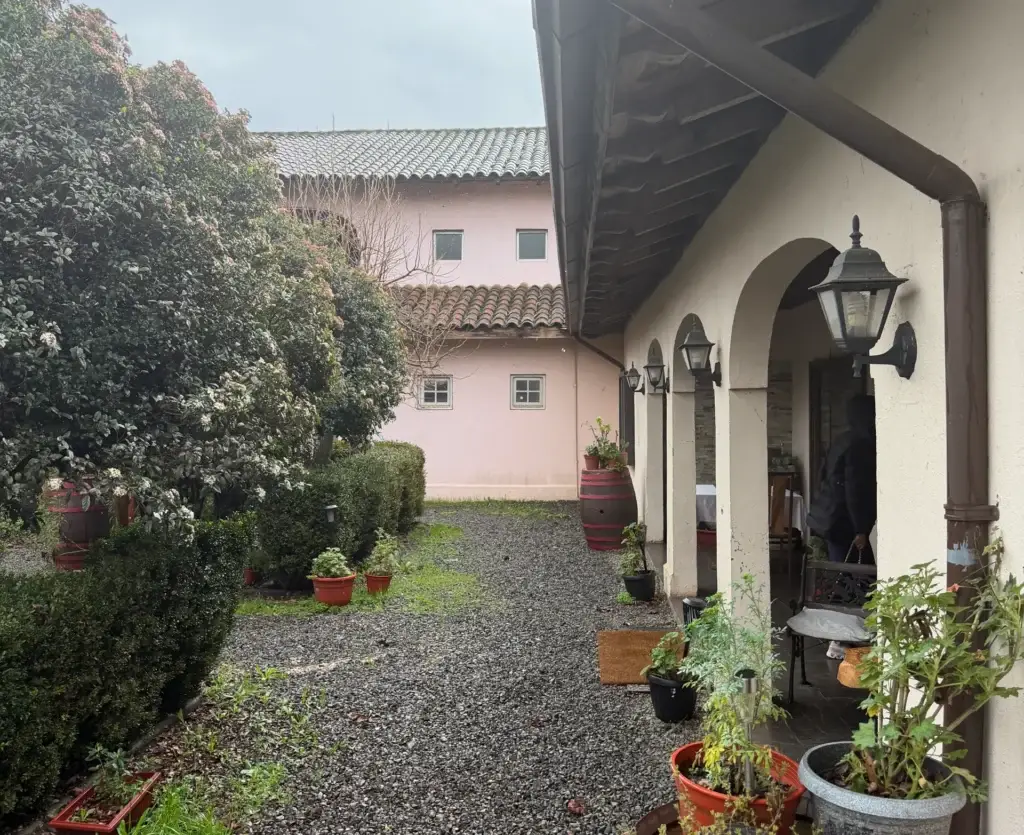
What sets Viña Chillán apart is its integrated boutique hospitality: a charming country guesthouse with en-suite double rooms, apartments accommodating small groups, and a pool framed by lush vineyards, inviting travelers to stay overnight rather than rushing through a quick tasting.
Its on-site Italian restaurant is another distinctive highlight, offering artisanal Mediterranean cuisine paired with estate wines—a welcome contrast to the traditional rural Chilean cuisine prevalent in the valley.
Planning Your Trip: The Itata Valley is about a 4.5-hour drive south from Santiago (or accessible via train to Chillán), making it an ideal long weekend destination. Many boutique bodegas require prior appointments, so booking in advance is strongly advised.
Why Itata is a Must-Visit Wine Destination
Itata doesn’t compete with Colchagua or Maipo in corporate luxury or massive visitor centers, and that is precisely its magic. It preserves the authentic soul of Chilean winemaking: century-old, dry-farmed bush vines tended by families who have worked this soil for generations, unaffected by fleeting global fashion.
Visiting Itata reminds you that Chilean wine history did not begin in the manicured postcards of central Chile, but right here, five centuries ago, in a southern valley that the world has finally rediscovered.