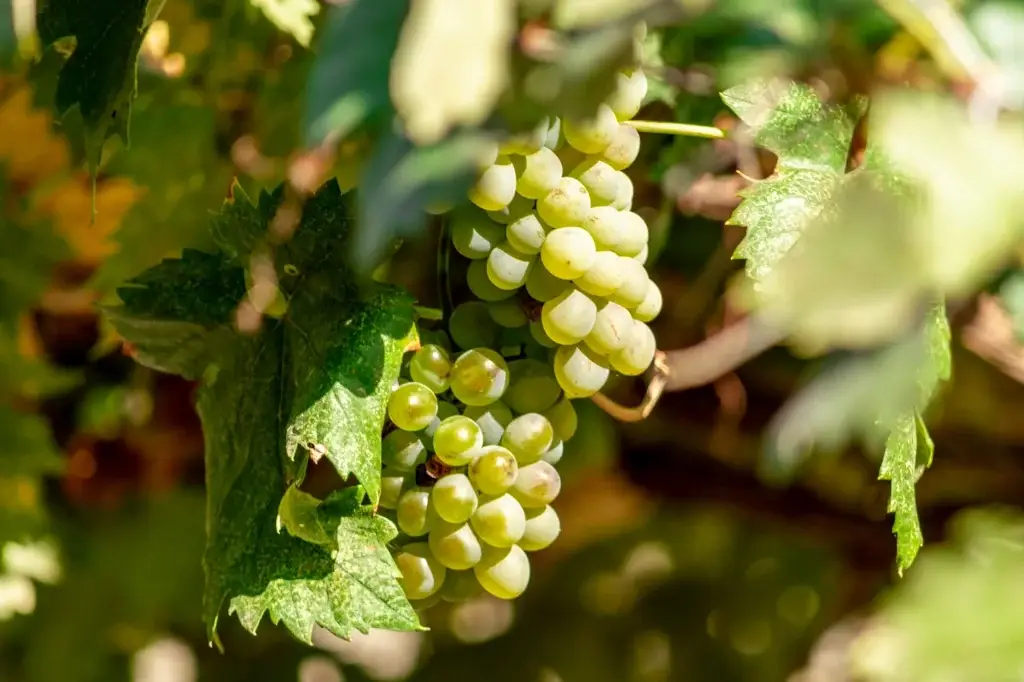
Sauvignon Blanc is Chile’s most planted white grape variety and the wine that firmly established the nation as a premier global producer of cool-climate whites—a segment where Chile had virtually no presence before the 1980s. Unlike Carmenère or Cabernet Sauvignon, its triumph does not stem from a single historic valley: it is the result of a revolutionary paradigm shift in where vines should be planted.
Article Contents
- Origins: Why it took decades to find its rightful home
- The cool-climate revolution: From inland plains to coastal fog
- How to identify Chilean Sauvignon Blanc in the glass
- Serving temperature and aging potential
- Casablanca vs. Leyda: Distinctive differences
- Food pairing: What works and what to avoid
- Buyer’s guide: What to look for on the label
Origins and the Historical Challenge
Sauvignon Blanc hails from the Loire Valley and Bordeaux in France, prized for its mouthwatering acidity and expressive herbal-citrus character. It arrived in Chile during the 19th century alongside other French cuttings, but was originally planted in the warm inland Central Valley, where grapes for muscular reds thrived. The result was flabby, low-acid white wine lacking aromatics.
This situation persisted until the early 1980s, when visionary viticulturists began exploring cool coastal terrain previously dismissed as unviable for fine viticulture.
The Shift to Coastal Cool Terroirs
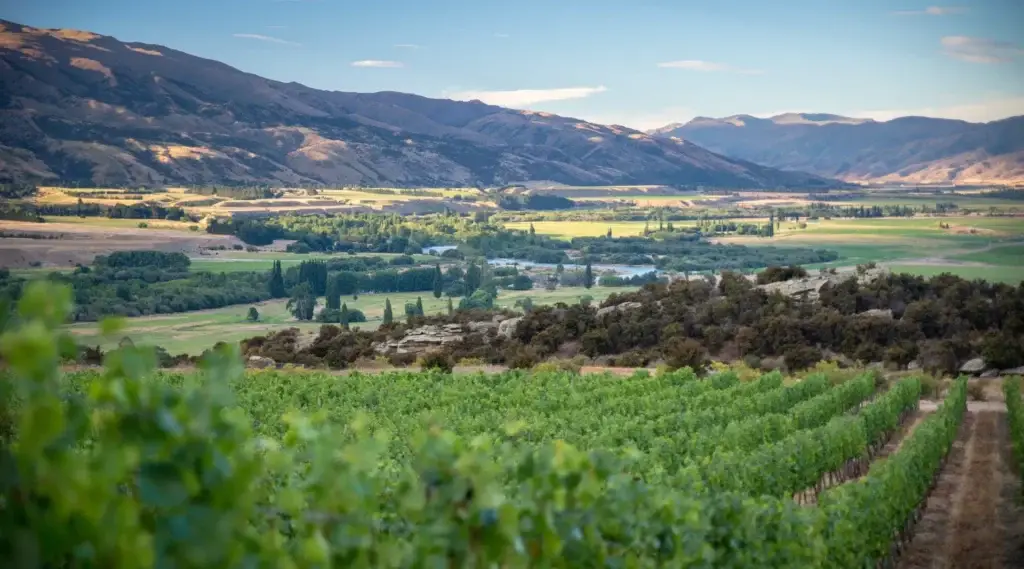
The first pioneer to shatter convention was the Casablanca Valley, planted starting in 1982. Proximity to the icy Humboldt Current generates morning maritime fog that burns off toward noon, followed by sunny afternoons and brisk nights. This thermal amplitude allows Sauvignon Blanc to develop electric acidity and layered citrus-tropical aromas without accumulating excess alcohol.
Two decades later, in 2002, growers pushed even closer to the ocean with the Leyda Valley (in the San Antonio Valley appellation). Between both regions, Chile evolved from having no notable cool-climate white wine profile to standing among the world’s top Sauvignon Blanc origins in less than a quarter-century.
How to Recognize It in the Glass
- Color: Pale straw yellow with shimmering green flashes, distinctly lighter and brighter than Chardonnay.
- Aroma: Citrus zest (pink grapefruit, lime, lemongrass), fresh green herbs (cut grass, tomato vine), and in extreme coastal sites like Leyda, sea spray and crushed oyster shell minerality.
- Palate: High, thirst-quenching acidity, light to medium body, dry and crisp, with a focused saline snap on the finish.
Casablanca vs. Leyda: Distinctive Differences
| Attribute | Casablanca Valley | Leyda Valley |
|---|---|---|
| Distance to Pacific Ocean | Moderate (20-30 km) | Direct coastal (4-12 km) |
| Acidity Profile | High, crisp, citrusy | Very high, chiseled, linear |
| Body | Medium with fruit roundness | Light to medium, taut |
| Hallmark Flavor | Grapefruit, lime, green herbs | Chalk, gunflint, sea breeze saltiness |
Serving Temperature & Culinary Pairings
Serve chilled between 8°C and 10°C (46°F to 50°F). If served above 12°C, the wine loses its electric tension; if served below 6°C, aromatics close down.
- Ceviche & Raw Seafood: The quintessential Chilean pairing. The wine’s lively natural acidity acts like freshly squeezed lime juice, enhancing sea bass, oysters, or clams.
- Grilled White Fish: Sea bass, sole, or reineta with fresh herb butter.
- Fresh Goat Cheese (Chèvre): A world-classic pairing; the wine’s herbaceous tang cuts through the creamy richness of goat cheese.
- Avoid: Heavy red meats, smoky barbecue sauces, and rich dairy-heavy pasta, which will totally drown the wine’s delicate coastal nuances.