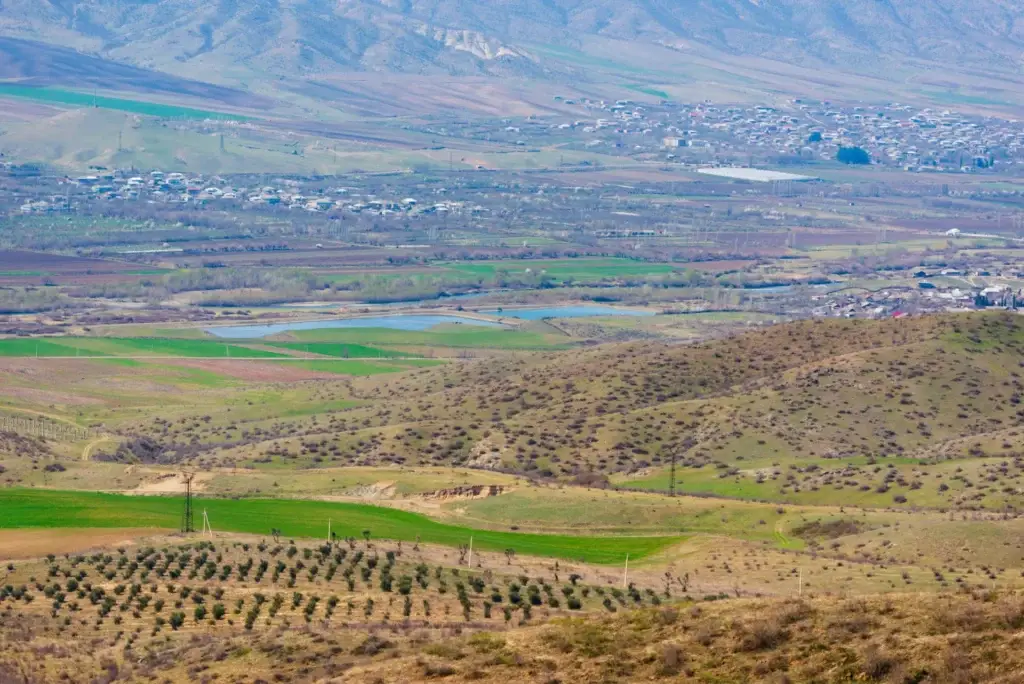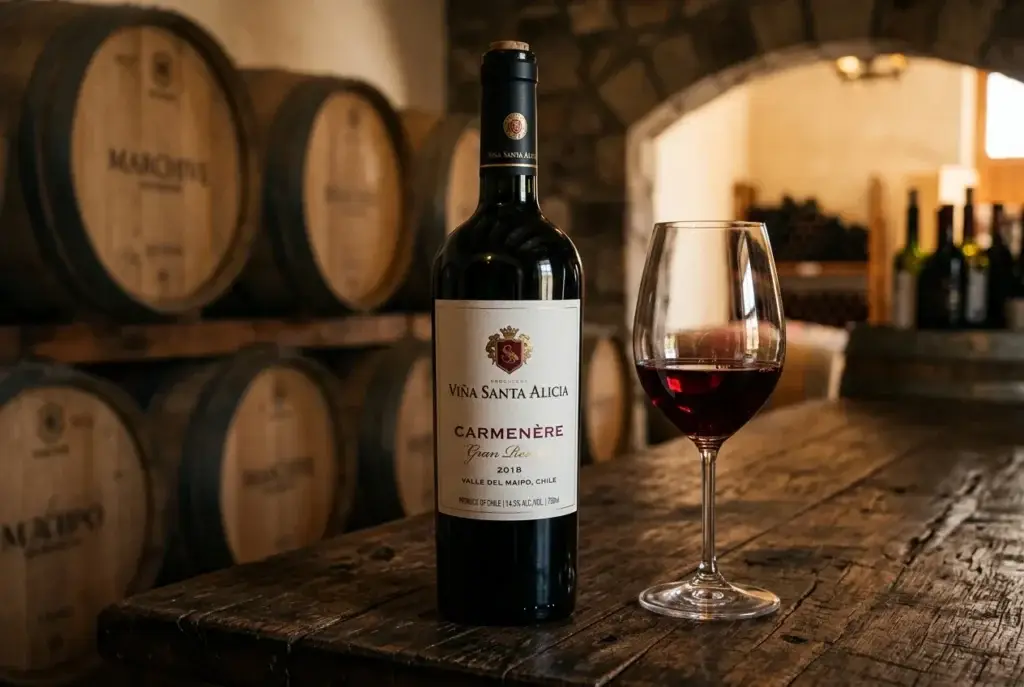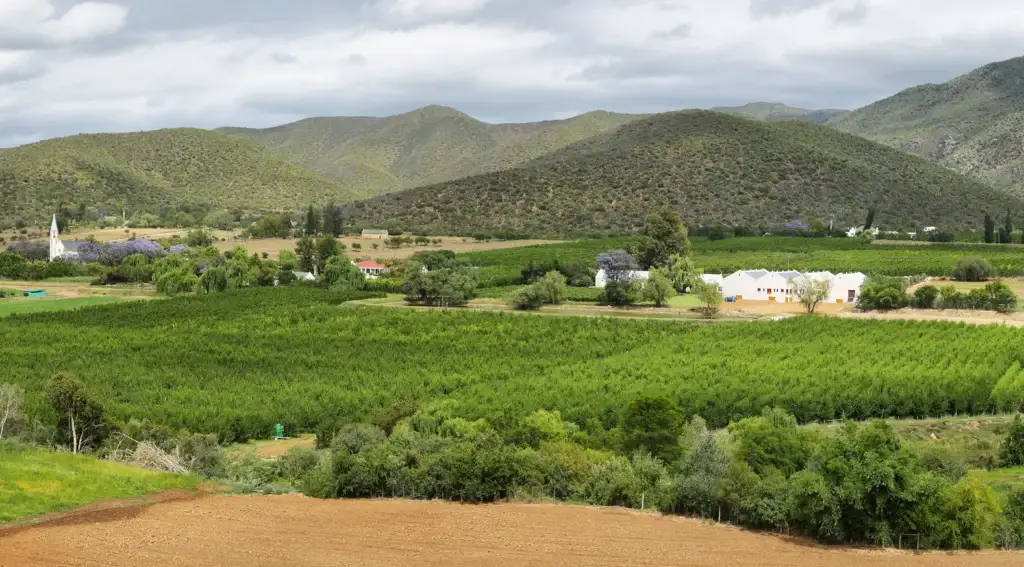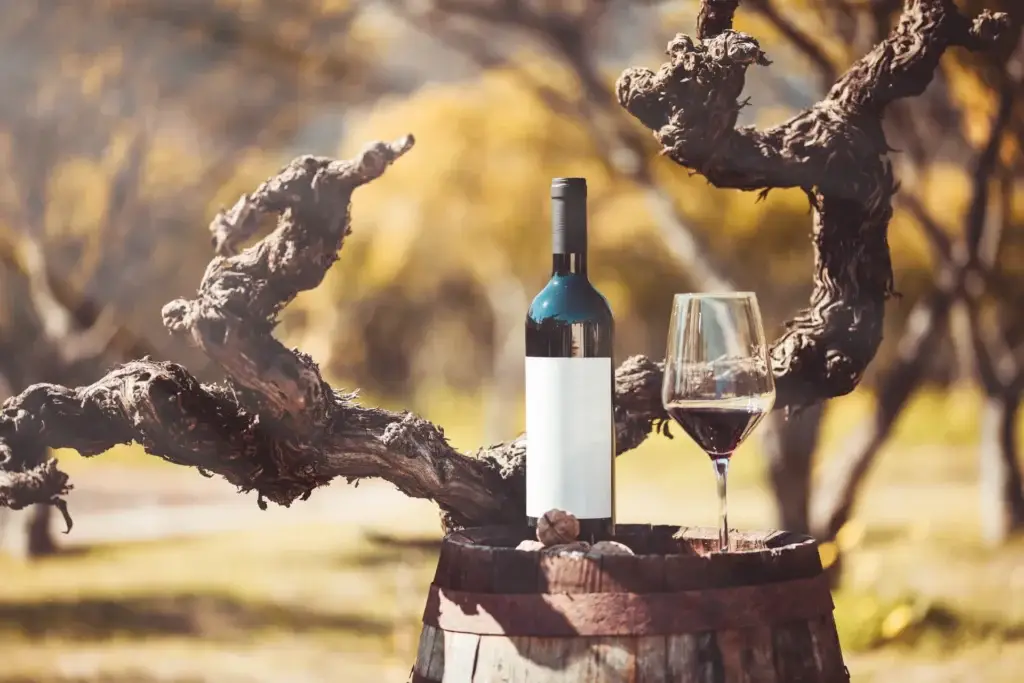
Just two hours south of Santiago, set between rolling golden hills and seemingly endless rows of lush vineyards, lies the valley that has earned more international accolades for Chile than any other: Colchagua. This reputation is no accident. Here, ancient alluvial soils, long sun-drenched summers, and multi-generational viticultural traditions converge to produce world-class red wines.
Why Colchagua Differs from Other Chilean Valleys
Most of Chile’s wine valleys stretch east to west from the Andes Mountains to the Pacific, creating distinct microclimates depending on maritime proximity. Colchagua follows this geographical logic: in the warmer, sheltered central areas of Santa Cruz, Apalta, and Chimbarongo, Chile’s most muscular and structured red wines (Carmenère, Cabernet Sauvignon, Syrah, and Malbec) are crafted. Meanwhile, toward the breezy coastal sector near Lolol and Pumanque, cooler afternoon air enables fresh white varieties and delicate reds with bright natural acidity.
This microclimatic diversity is why Colchagua evolved into the epicenter of Chilean enotourism: in a single day, you can tour a 100-year-old historic colonial estate and a striking gravity-flow architectural masterpiece, separated by merely a 20-minute drive.
Centenarian Wineries with Deep Roots
Many of Colchagua’s most prestigious wineries are not recently founded corporate projects; they represent entire families who have cultivated these soils across multiple generations:
- Viu Manent: Founded in 1935, featuring ungrafted centenarian vineyards still yielding fruit. Their horse-drawn carriage tour through the vines is one of the most beloved wine experiences in Chile.
- Laura Hartwig: One of the valley’s pioneering boutique estates, renowned for intimate, small-group tastings in a serene countryside setting.
- MontGras: Renowned for its panoramic hill viewpoints and interactive blend-your-own-wine workshops.
- Casa Silva: Boasting over 130 years of family heritage, this historic bodega features traditional colonial architecture and even an equestrian polo club on-site.
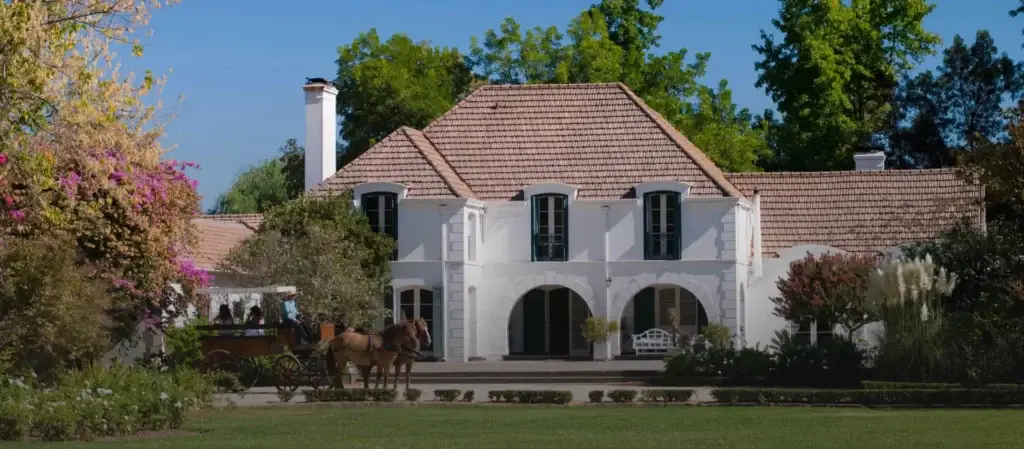
The beauty of visiting estates with this depth of heritage is not only the tasting: it’s hearing first-hand how these families navigated earthquakes, economic crises, and generational transitions without ever abandoning their vineyards.
How to Organize Your Visit
While a well-planned day trip from Santiago is feasible, spending two days in Colchagua is the ultimate way to savor the valley at a leisurely, unhurried pace.
If you only have one day: Select a maximum of 2 to 3 wineries. Each guided tour and tasting takes 1.5 to 2 hours, plus travel time between vineyards. Trying to cram in more than three turns a pleasurable escape into a rushed checklist.
If you have a weekend: Stay in the charming town of Santa Cruz, which boasts boutique hotels and the Museo de Colchagua—one of Chile’s premier private museums showcasing pre-Columbian artifacts and paleontological wonders, ideal for a morning visit before hitting the wineries.
Best Time to Visit: Grape harvest (vendimia) runs from late February through April, featuring vineyard festivals and grape-stomping events. Alternatively, spring (October to November) offers lush green vines, blooming gardens, and mild weather without the summer crowds.
What to Expect from a Typical Tour
Most Colchagua wineries follow a comprehensive format: vineyard walk, tour of gravity-fed barrel cellars, and a guided tasting of 3 to 5 premium wines. Experiences range from casual visits to private winemaker-led tastings paired with multi-course gourmet lunches.
Crucial travel tip: Advance reservations are essential. Unlike casual tourist spots, almost all Colchagua wineries operate with limited tour capacities per time slot, especially during weekends and peak season.
Beyond the Vines: More Activities in Colchagua
- Museo de Colchagua: Located in downtown Santa Cruz, displaying exceptional collections spanning South American archaeology to 19th-century history.
- Artisan Villages: Colonial towns like Lolol preserve adobe architecture and generational craft workshops specializing in leatherwork and wicker weaving.
- Local Gastronomy: Top regional restaurants focus on farm-to-table cuisine, pairing local goat cheeses and slow-roasted meats with valley wines.
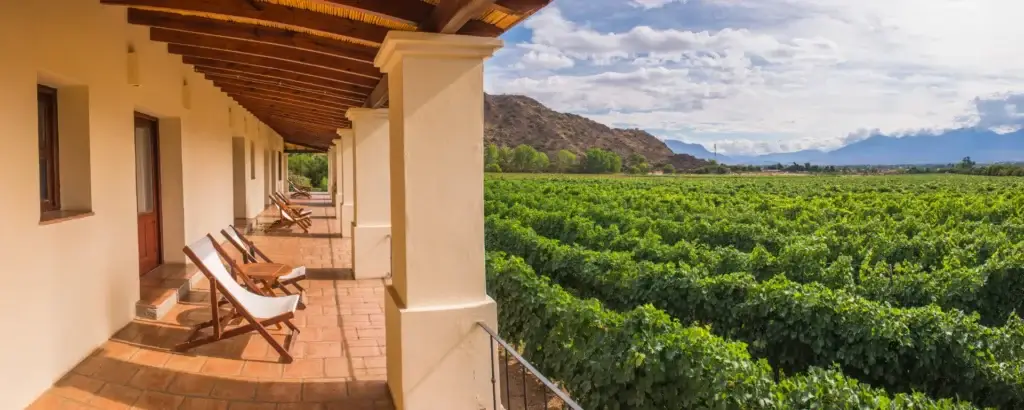
The Legend Behind the Name
The name Colchagua originates from the Mapuche word meaning “place of small lagoons,” recalling the natural wetlands that dotted this valley before irrigation reshaped the terrain. It is a poetic reminder that long before the first grapevine arrived, this land possessed its own identity, nourished by the same pure waters that sustain Chile’s most famous vineyards today.
To visit Colchagua is not simply to taste wine: it is to stroll through a landscape where ancient legends, native heritage, and centenarian vineyards unite to narrate the true story of Chilean wine.