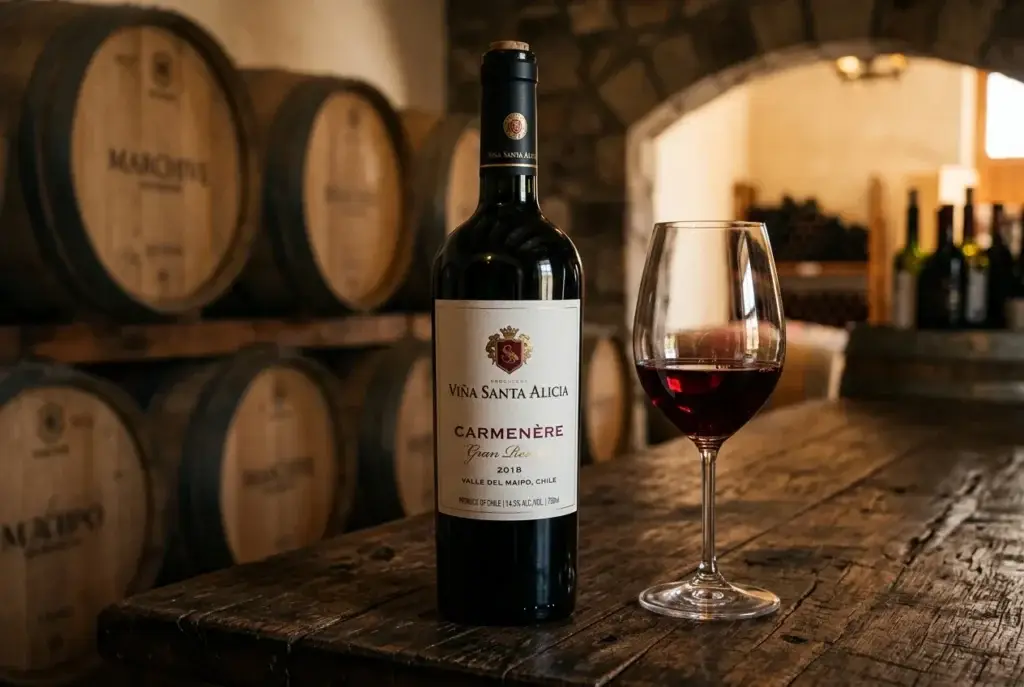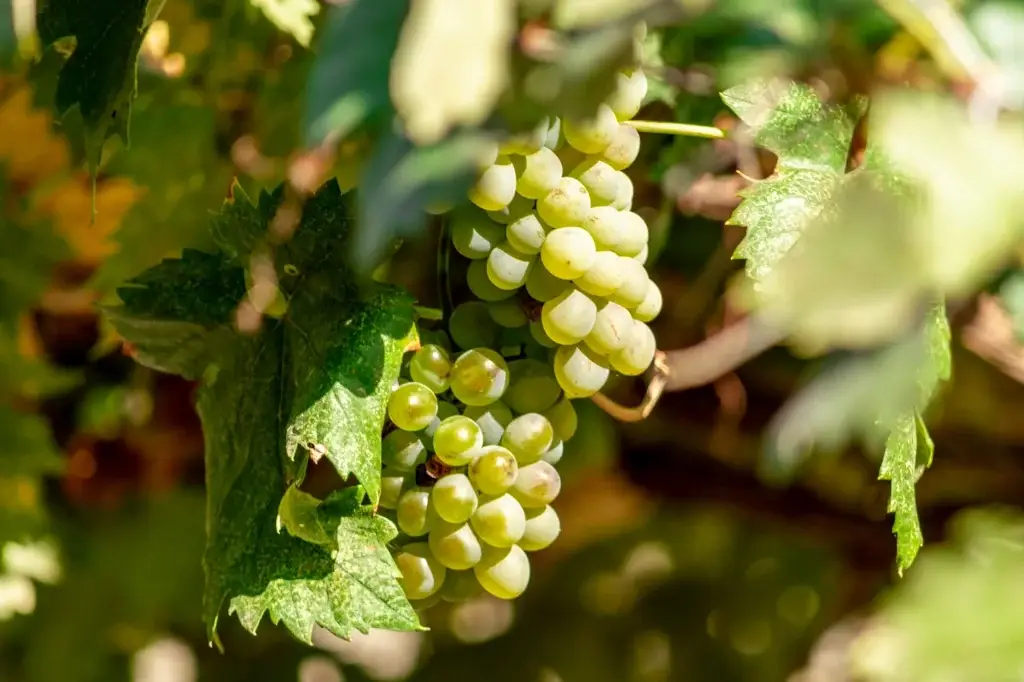
If Carmenère gave Chile its unique international identity, Cabernet Sauvignon built the nation’s worldwide fine wine reputation decades prior. It is the most extensively planted variety in Chile, the undisputed export leader, and the grape that first placed Chilean wine on the prestigious global map.
Article Contents
- A noble variety born from an accidental crossing
- How it conquered Chilean soils
- Why the Maipo Valley is its natural homeland
- How to identify Chilean Cabernet Sauvignon in the glass
- Serving temperature and decanting
- Classic culinary pairings
- Why Cabernet Sauvignon remains the undisputed king
A Noble Variety Born from an Accidental Crossing
Cabernet Sauvignon is not an ancient grape: it originated in Bordeaux, France, in the 17th century as the spontaneous field crossing of Cabernet Franc and Sauvignon Blanc. From its parents, it inherited formidable structural bones: the intense color and muscular tannins of Cabernet Franc, coupled with the vibrant acidity and herbaceous complexity of Sauvignon Blanc.
This genetic pedigree explains why Cabernet Sauvignon adapts with such magnificence across premier global wine regions—from Bordeaux and Napa Valley to Coonawarra and the Andean valleys of Chile.
How It Conquered Chilean Terroirs
Imported to Chile in the 1850s by prominent landowners, Cabernet Sauvignon quickly proved that Chilean soils and sunshine were made for its noble character. While pests later wiped out vast vineyards across Europe, Chile’s natural barriers (the Atacama Desert to the north, the Pacific Ocean to the west, and the Andes Mountains to the east) shielded the country from phylloxera. To this day, Chilean Cabernet Sauvignon grows on ungrafted, original rootstocks, maintaining a pure, phylloxera-free lineage found almost nowhere else in the world.
Why Alto Maipo is its Natural Kingdom
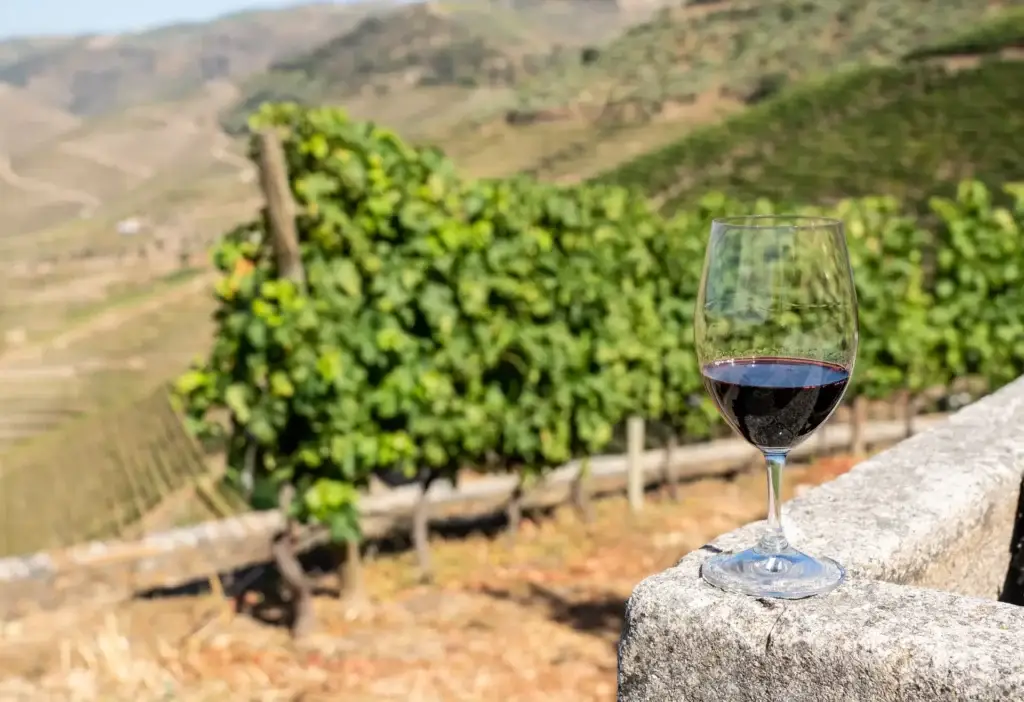
While planted across almost every Chilean valley, Cabernet Sauvignon attains its highest expression in Alto Maipo. Here, alluvial stony terraces force the root systems deep into the ground, concentrating berry flavors. Combined with mountain cold breezes descending nightly from the Andes, the grapes develop thick skins, firm structural tannins, and a fresh mint-eucalyptus signature.
Legendary icon labels such as Almaviva, Don Melchor, and Viña Santa Rita’s Casa Real have earned global critical acclaim, routinely ranking among the world’s finest Cabernet Sauvignon releases.
How to Recognize It in the Glass
- Color: Intense, shimmering ruby red with violet undertones in youth, shifting gracefully to brick garnet with cellaring.
- Aroma: Cassis, blackberries, black cherries, cedarwood, crushed gravel, and gentle nuances of eucalyptus or dried bay leaf.
- Palate: Full-bodied, firm, and assertive tannins, vibrant acidity, and an expansive, structured finish built for longevity.
Serving Temperature & Food Pairings
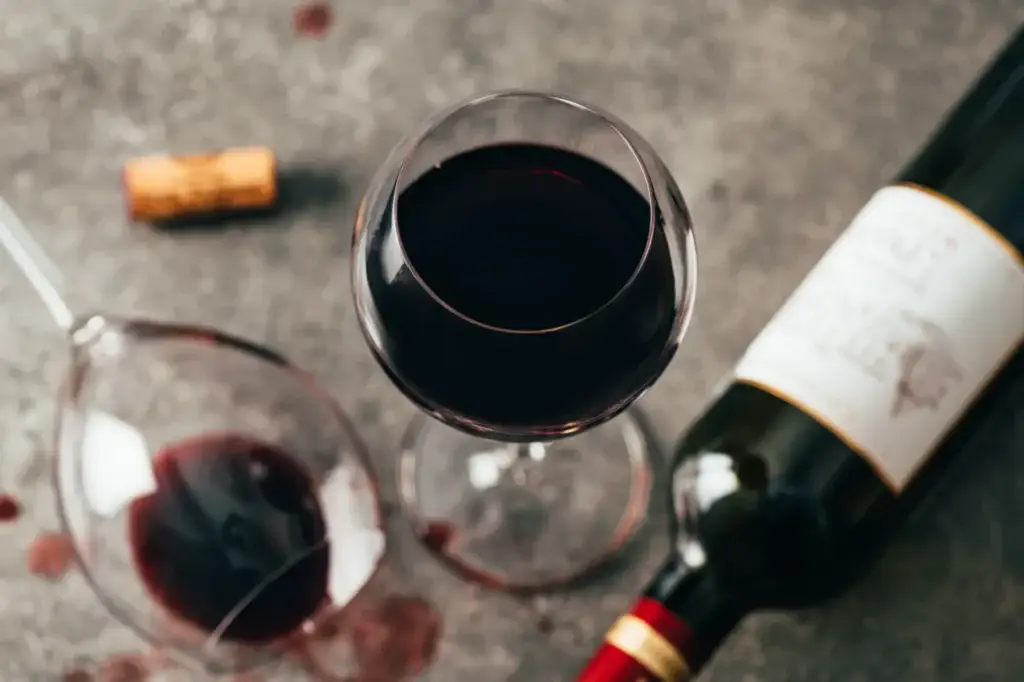
Serve between 16°C and 18°C (60°F to 64°F). Youthful reserve bottlings benefit greatly from 45 to 60 minutes of decanting to allow the tannins to soften and reveal layers of fruit.
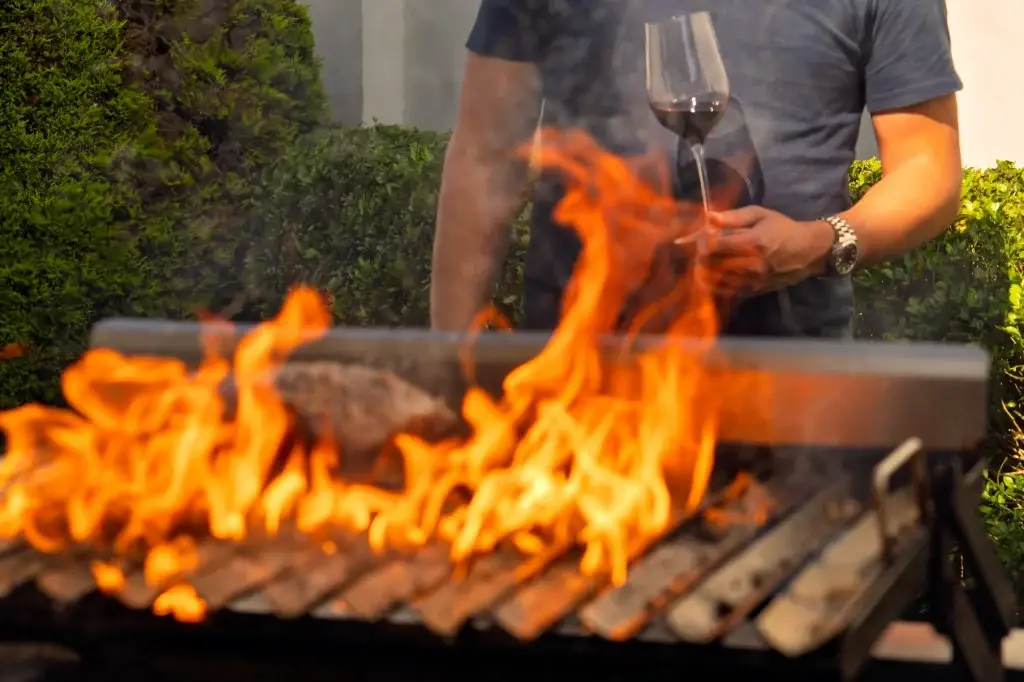
- Prime Cuts of Beef: Ribeye, strip loin, or grilled tomahawk steak on the barbecue; high protein and fat content tame the wine’s assertive tannins.
- Aged Hard Cheeses: Aged Cheddar, Parmigiano-Reggiano, or mature Gouda.
- Braised Meats: Short ribs or lamb shanks braised in red wine.
Why Cabernet Sauvignon Remains the King
While Carmenère captures hearts with its captivating mystery, Cabernet Sauvignon remains the bedrock upon which Chilean winemaking conquered the globe. Every glass of Alto Maipo Cabernet carries that stately heritage: powerful, timeless, and noble.