In Chile, the asado (barbecue) is not merely a meal: it is a deep-rooted social ritual with its own cadence that unfolds over several hours around glowing embers. From informal appetizers while gathering around the grill to the main cuts served in successive rounds, each stage presents a distinct gastronomic challenge. Uncorking a single generic bottle for the entire barbecue is the most common mistake. To achieve a harmonious pairing experience, as we explain in our Chilean wine and food pairing guide, the wine must interact with three key elements: fat, salt, and the smoky aroma of the embers.
The golden rule is straightforward: the higher the intramuscular fat content, the more structure and tannins the wine needs to cleanse the palate; while leaner meats or vibrant marinades call for juicier wines with fresh fruit or spicy notes. Below, we break down which grape variety to uncork with every classic Chilean barbecue cut.
Article Contents
- Barbecue Starters: choripán, empanadas, and prietas
- Fatty & Marbled Cuts: Lomo vetado (Ribeye) and Asado de tira (Short ribs)
- Fibrous & Quick-Sear Cuts: Entraña (Skirt steak) and Palanca (Flank)
- Lean & Tender Cuts: Filete (Tenderloin) and Lomo liso (Striploin)
- Pork & Lamb: Chili-marinated ribs and Grilled lamb
- Quick Barbecue Pairing Chart
- The Greatest Enemy of the Barbecue: Wine Serving Temperature
Barbecue Starters: choripán, empanadas, and prietas
Any seasoned Chilean grill master knows that waiting by the charcoal is enlivened with savory, well-seasoned bites:
- Choripán with pebre: The rich fat of grilled chorizo sausage combined with the fresh zest of pebre (diced onions, cilantro, tomatoes, and chili) will overpower tannic, heavily oaked reds. The best pairing is a fresh, youthful red like southern Chilean Cinsault or País, or a medium-bodied Carmenère without excessive oak aging.
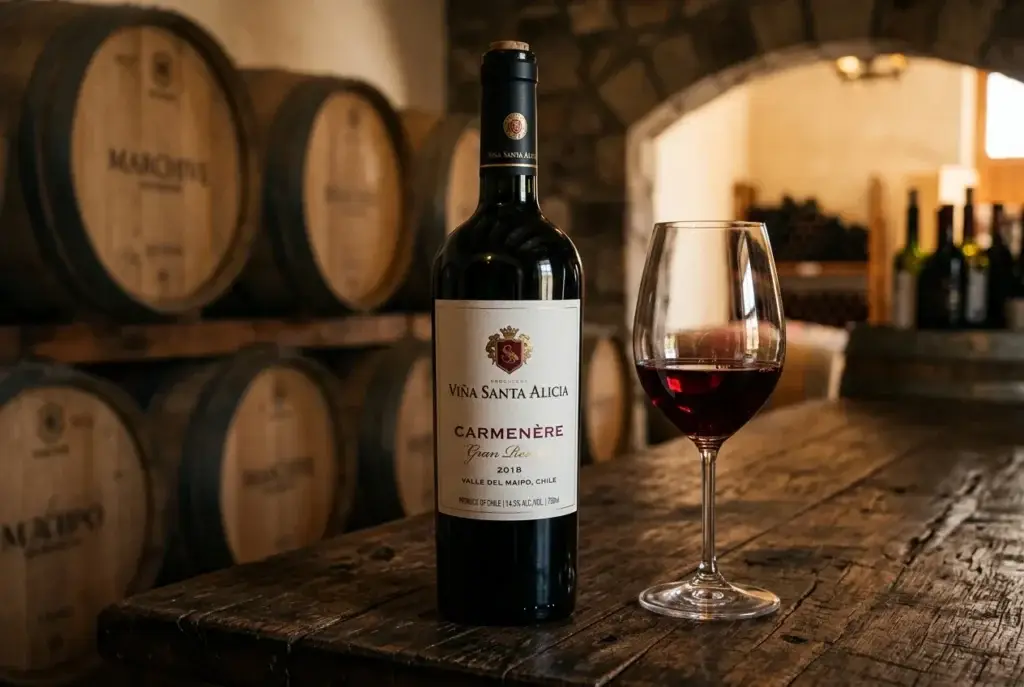
- Prietas (blood sausages) on the grill: Their velvety texture and sweet spices (cumin, oregano, and nutmeg) find their natural soulmate in Carmenère, whose signature herbal notes of roasted bell pepper and sweet spices complement the seasoning without clashing.
- Empanadas de pino (beef empanadas): To balance caramelized onions, seasoned ground beef, and golden baked dough, a Cabernet Franc or a fresh Merlot with good acidity cuts through the richness without overwhelming the dish.
Fatty & Marbled Cuts: Lomo vetado (Ribeye) and Asado de tira (Short ribs)
These are the undisputed champions of the Chilean grill. Lomo vetado (ribeye) and asado de tira (flanken-cut beef short ribs) feature generous intramuscular marbling that melts slowly over the hot coals, delivering tremendous depth of flavor:
- The definitive pairing: A high-end Cabernet Sauvignon (particularly from Maipo Valley or Colchagua) or a structured Syrah.
- Why it works: Melted animal fat coats the palate. The firm tannins and lively acidity of Cabernet slice cleanly through this richness with each sip, resetting your palate for the next mouthful. If you are hesitating between these two red grapes, read our guide on the difference between Carmenère and Cabernet Sauvignon.
Fibrous & Quick-Sear Cuts: Entraña (Skirt steak) and Palanca (Flank)
Entraña (skirt steak) and palanca (flank cut) are thin, juicy cuts with distinctive grain texture, grilled over high heat in just a few minutes with coarse sea salt:
- Recommended wine: Chilean Malbec (such as those from Colchagua) or a cool-climate Syrah.
- Why it works: Skirt steak has a distinct savory, mineral, and iron-rich profile. The silky tannins and ripe blackberry notes of Malbec honor the meat’s succulent tenderness without masking its natural juices.
Lean & Tender Cuts: Filete (Tenderloin) and Lomo liso (Striploin)
Filete (beef tenderloin / filet mignon) and lomo liso (New York strip / striploin) deliver incredible tenderness but minimal intramuscular fat:
- Common mistake: Pairing them with over-extracted or aggressively tannic reds, which dry out the palate because there isn’t enough fat to soften the tannins.
- The smart choice: An elegant, medium-bodied Pinot Noir or a smooth Merlot with moderate oak. Served rare to medium-rare, the gentle tannins complement the refined texture of the beef gracefully.
Pork & Lamb: Chili-marinated ribs and Grilled lamb
A true barbecue goes beyond beef; white meats and slow-cooked cuts have their own pairing logic:
- Costillar al ají (Chilean chili-rubbed pork ribs): Seasoned with red ají paste, garlic, oregano, and wine vinegar, pork ribs call out for a Carmenère Reserva or an old-vine Carignan from the dry-farmed Maule Valley. Carignan’s vibrant acidity cuts right through the pork fat, and its rustic character mirrors the Chilean spices.
- Cordero al palo (Spit-roasted lamb) or lamb chops: The savory, gamey flavor and fat of lamb demand a wine with earthy and meaty undertones. A ripe Syrah or a bold Cabernet Franc are unbeatable companions.
- Prefer white wine at the grill? A barrel-aged Chilean Chardonnay has sufficient body, creaminess, and acidity to stand up to golden crispy pork ribs or grilled provoleta cheese and vegetables.
Quick Barbecue Pairing Chart
| Cut or Starter | Cut Profile | Suggested Variety | Alternative |
|---|---|---|---|
| Choripán & prietas | Spiced fat, artisanal sausage | Carmenère | Cinsault / País |
| Lomo vetado (Ribeye) | Abundant marbled fat | Cabernet Sauvignon | Structured Syrah |
| Asado de tira (Short ribs) | Rich bone-in beef, intense flavor | Cabernet Sauvignon Reserva | Bordeaux-style blend |
| Entraña (Skirt steak) | Juicy, tender, mineral notes | Malbec | Cool-climate Syrah |
| Filete / Lomo liso | Lean, delicate, and tender | Pinot Noir | Merlot / Smooth Carmenère |
| Costillar de cerdo (Pork ribs) | Savory fat, chili & herbs | Carignan | Carmenère |
| Grilled lamb | Gamey, robust, and rich | Syrah | Cabernet Franc |
The Greatest Enemy of the Barbecue: Wine Serving Temperature
On warm sunny afternoons, red wine bottles frequently sit exposed to ambient heat or near the direct radiating warmth of the grill, easily reaching 24 °C to 26 °C (75 °F – 79 °F). At this temperature, the alcohol vaporizes aggressively, creating a burning sensation on the nose and masking delicate fruit aromas.
Expert tip: Place your red wine bottles in an ice bucket with cool water (not just solid ice) for 10 to 15 minutes before uncorking, keeping them between 16 °C and 18 °C (60 °F – 64 °F). The wine will warm up quickly in the glass, but the first sip will be refreshing, beautifully balanced, and full of vibrant fruit.