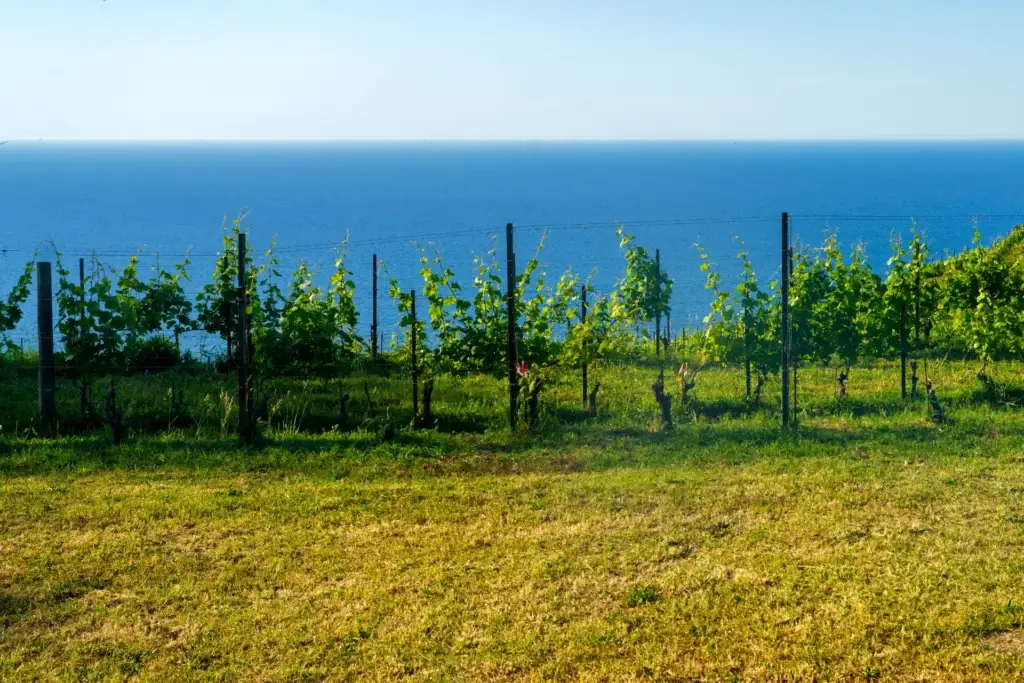
Less than an hour from Santiago and only twenty minutes from the Pacific Ocean, the Casablanca Valley possesses a unique distinction that sets it apart from almost every other wine valley in Chile: it shouldn’t exist—at least not according to what the winemaking industry took for granted just a few decades ago.
A Valley No One Wanted for Vineyards
Until the 1980s, Casablanca was purely an agricultural zone dedicated to conventional farming: vegetables, dairy, orchards—nothing associated with fine wine. The rationale was simple: it was considered far too cold and perilously close to the Pacific Ocean to ripen quality grapes. Conventional wisdom of the era dictated that Chilean wine required blazing heat, intense direct sunshine, and distance from the coast, like the Central Valley.
A daring handful of visionary viticulturists decided to defy that dogma in the early 1980s, wagering that coastal cold, far from being a flaw, could become an extraordinary asset for specific noble varieties. They planted the first experimental vines of Chardonnay and Sauvignon Blanc in a valley where nobody else had ever dared.
The Accident That Became a Golden Formula
What they discovered revolutionized the Chilean wine map. Proximity to the sea creates a climatic phenomenon known across the industry as the “cold Pacific influence”: morning marine fog that blankets the vineyards before gently burning off around midday, followed by warm sunny afternoons and crisp, cool nights. This wide diurnal temperature swing is precisely what white grapes need to develop vibrant natural acidity and layered aromatics without losing balance from excessive heat.
What began as a rogue experiment swiftly crowned Casablanca as Chile’s premier white wine terroir—and one of the first in the Southern Hemisphere to build its global reputation around cool-climate viticulture. Within a few short years, formerly skeptical producers rushed to acquire land in the valley, transforming an isolated bet into Chile’s undisputed benchmark for white wines.
What Casablanca Cultivates Today
- Sauvignon Blanc: The valley’s iconic signature grape, delivering crisp citrus, minerality, and vibrant herbal nuances thanks to the coastal breezes.
- Chardonnay: Yields elegant, mineral-driven expressions with mouthwatering acidity, markedly crisper and fresher than those from warmer inland valleys.
- Pinot Noir: Over the past two decades, top wineries have championed this delicate, finicky red grape, which thrives in Casablanca’s cool maritime microclimate.
- Boutique Curiosities: Several estates craft small-batch Gewürztraminer, Riesling, and sparkling wines, proving the valley remains an exciting crucible of innovation.
How to Visit from Santiago
Immediate accessibility is Casablanca’s crowning advantage: you can easily enjoy a rewarding half-day excursion without having to book overnight accommodation, something far less convenient for distant valleys like Colchagua or Maule.
Recommended Route: Departing Santiago via Route 68 towards Valparaíso, the valley appears right at the halfway mark, making it a natural, effortless stop if your plan includes continuing to the coast.
Pacing Your Visit: As a compact valley, visiting 2 wineries at a leisurely pace is ideal for a morning, or up to 3 if schedules are well synchronized.
Best Time of Day: Due to maritime influence, mornings often feature coastal fog that clears around 11:00 AM. Scheduling your first tasting right as the sun illuminates the vines provides picture-perfect conditions.
Combine with the Coast: Many travelers pair a morning of wine tasting with an afternoon exploring the colorful hills of Valparaíso or the beaches of Viña del Mar—a seamless combination unmatched anywhere else in Chile.
A Valley Competing on the Global Stage
What was considered a perilous gambit in the 1980s now reaps constant international praise. Casablanca’s Sauvignon Blanc and Pinot Noir consistently feature in prestigious blind tastings alongside acclaimed wines from New Zealand’s Marlborough and California’s Sonoma Coast. That caliber of international recognition, unimaginable forty years ago, stands as irrefutable proof of the valley’s terroir.
Every chilled glass of Casablanca Sauvignon Blanc carries that legend within: the story of the valley no one wanted, transformed into the very place where Chilean wine learned that the cold could be its greatest superpower.