Cheese and wine is one of the most celebrated culinary pairings in the world, yet also one of the most widely misunderstood. Conventional wisdom insists that “any cheese goes with any red wine”—a blanket assumption that, more often than not, results in an underwhelming match. In reality, each style of cheese has a distinct wine partner that elevates it best, and it is rarely the one you might intuitively expect.
Article Contents
- Why cheese and wine pairing isn’t as simple as it looks
- The core rule: balance intensity with intensity
- Pairing guide by cheese category
- The most frequent cheese & wine mistakes
- How to build a cheese board designed for wine pairing
- The one pairing that almost never fails
Why Cheese and Wine Pairing Isn’t as Simple as It Looks
The most common pitfall is presuming that red wine is always the winner. In truth, many cheeses—particularly soft, bloomy rind, or high-fat varieties—clash aggressively with the firm tannins of full-bodied reds, creating an astringent, metallic, or bitter sensation that spoils both. White wines, with their bright natural acidity, are far better equipped to slice through the rich butterfat of cheese, a revelation that surprises most casual wine enthusiasts.
The Core Rule: Balance Intensity with Intensity
Just like general food and wine pairing, the most helpful benchmark is matching the intensity of the cheese with that of the wine. A mild, creamy fresh cheese gets completely obliterated by an assertive red; conversely, an intensely pungent, aged cheese will overpower a delicate white wine. Beyond sheer flavor weight, consider fat content (high-acidity wines cut fat effortlessly) and aging level (the more mature and crystallized the cheese, the more structural depth the wine requires).
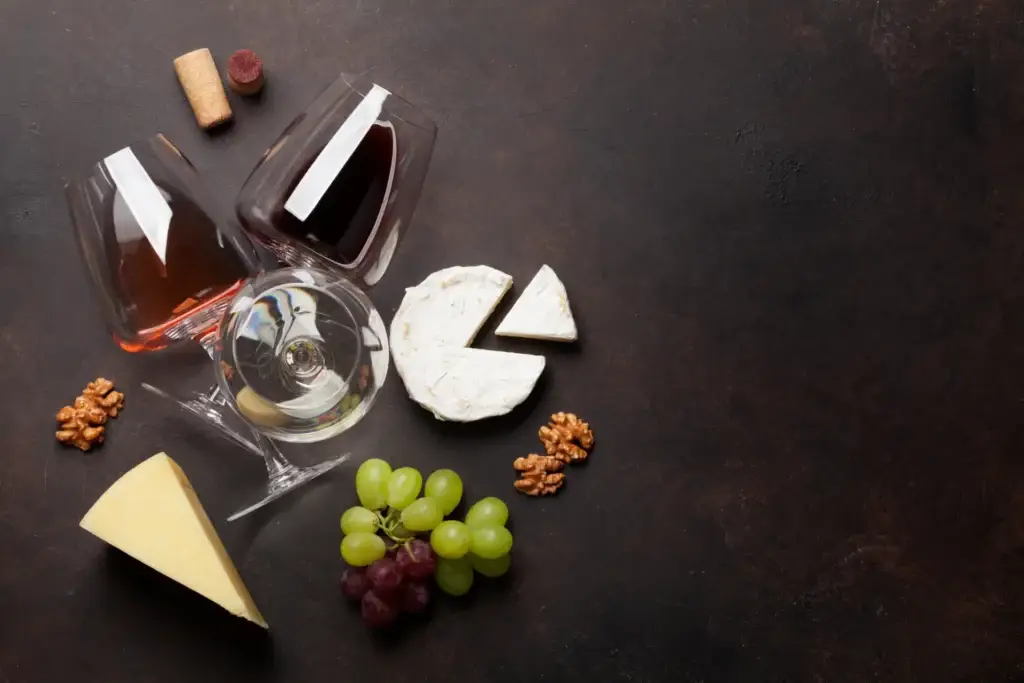
Pairing Guide by Cheese Category
Fresh Cheeses (Goat Cheese, Fresh Mozzarella, Ricotta): A crisp, high-acid Sauvignon Blanc is the ultimate choice. The racy acidity cuts cleanly through the creamy richness without competing with delicate lactic flavors.
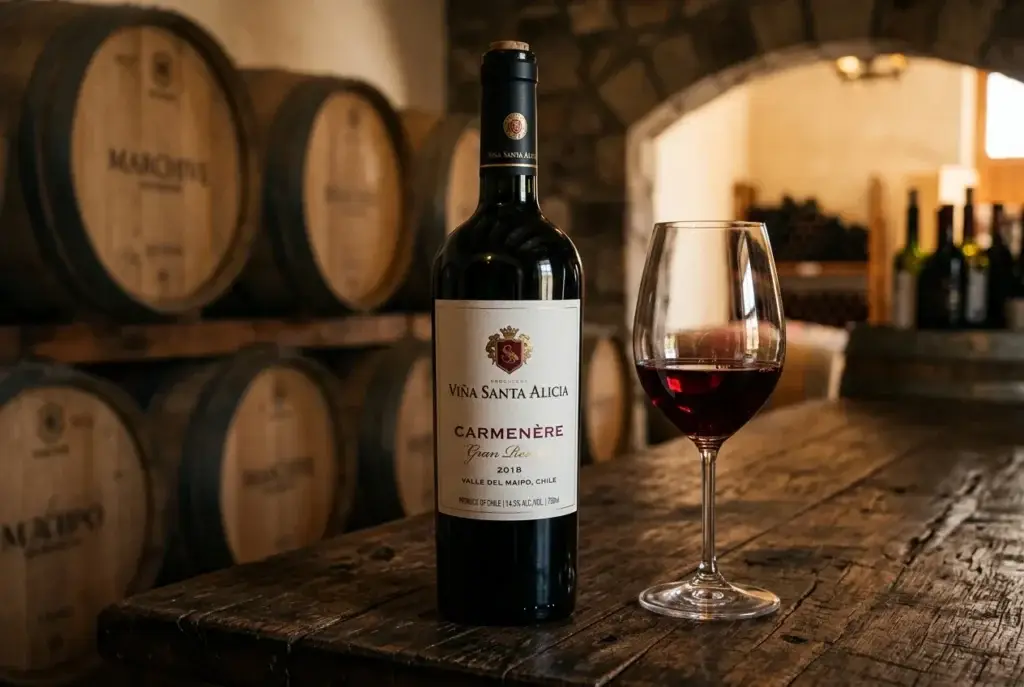
Semi-Cured Cheeses (Young Gouda, Edam, Chilean Chanco): A medium-bodied Carmenère or a smooth Merlot hits the sweet spot: sufficient fruit structure and spice to stand beside the cheese, without assertive tannins dominating the palate.
Aged & Hard Cheeses (Parmigiano-Reggiano, Aged Manchego, Vintage Cheddar): A full-bodied Cabernet Sauvignon shines here. The concentrated savory protein crystals and rich fat soften the robust tannins, allowing the dark fruit notes of the wine to blossom.
Blue Cheeses (Roquefort, Gorgonzola, Stilton): This is the classic scenario where residual sweetness triumphs over dry reds. A Late Harvest sweet wine, fortified Port, or even an off-dry sparkling wine balances the pungent, salty bite of blue cheese far more harmoniously than any dry red ever could.
Smoked Cheeses (Smoked Provolone, Idiazábal): An oak-aged red wine, where toasted vanilla and spice nuances from the barrel integrate seamlessly with the smoky profile of the cheese.
Brie and Camembert (Soft Cheeses with Bloomy Rinds): A barrel-aged Chilean Chardonnay or a Brut sparkling wine outperforms red wine here every time. The buttery, unctuous paste needs vibrant acidity and effervescence to feel lively rather than heavy.
The Most Frequent Cheese & Wine Mistakes
- Heavy tannic red with fresh goat cheese: The cheese vanishes behind the wine, while the tannins taste harsh and stripped of balance.
- Light delicate white with pungent blue cheese: The wine is instantly overwhelmed by the high salinity and mold intensity of the cheese.
- Ignoring the aging stage: A young, creamy Gouda behaves very differently than a two-year aged crystallized Gouda. Your wine selection should reflect the cheese’s maturation, not just its generic name.
How to Build a Cheese Board Designed for Wine Pairing
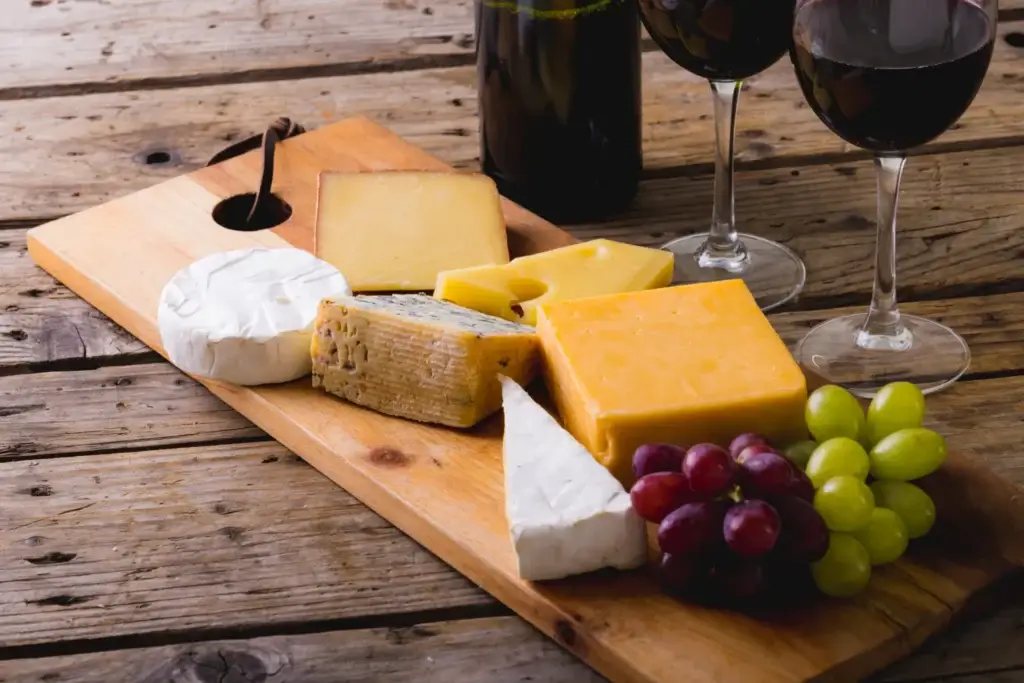
If you are serving an assorted cheese platter, avoid forcing a single bottle to match everything. The ideal strategy is to pour at least two contrasting wines: a crisp, high-acidity white and an approachable, medium-bodied red. Arrange the cheeses chronologically from mildest to strongest (starting with fresh goat cheese and ending with mature or blue cheeses), tasting the wines in the same progressive sequence so the palate is never overwhelmed.
The One Pairing That Almost Never Fails
If you must choose just one foolproof bottle for an eclectic cheese board, make it a Brut sparkling wine. The vibrant acidity and effervescent bubbles cut through butterfat more effectively than any still wine, while its crisp, mineral profile avoids clashing with disparate textures. It is the ultimate wild card when entertaining guests with diverse cheese varieties.