Every bottle of wine is the culmination of pivotal decisions made months, and often years, before it reaches your dining table. Understanding this journey requires no technical background—only curiosity. Grasping the basics unlocks an appreciation for why two wines made from the exact same grape variety can taste dramatically different.
Harvest: The Moment That Cannot Be Rushed
Everything begins with deciding precisely when to pick the grapes, one of the most critical decisions in the entire process. Harvesting too early yields high acidity but unripe, green fruit; harvesting too late yields high sugar (and consequently high alcohol) but robs the wine of freshness and aromatic lift.
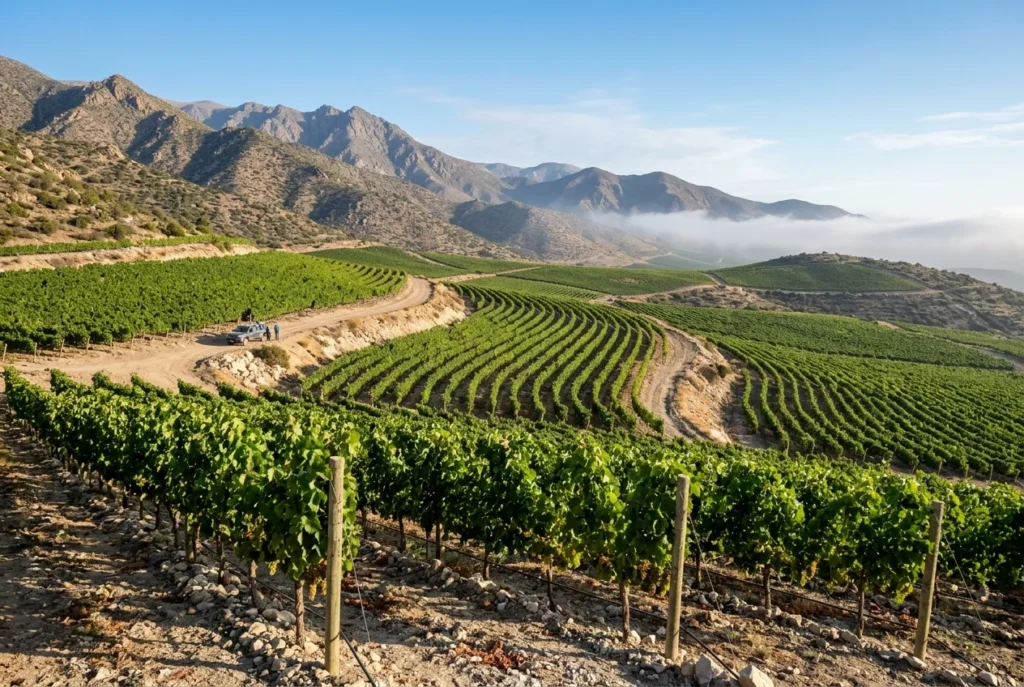
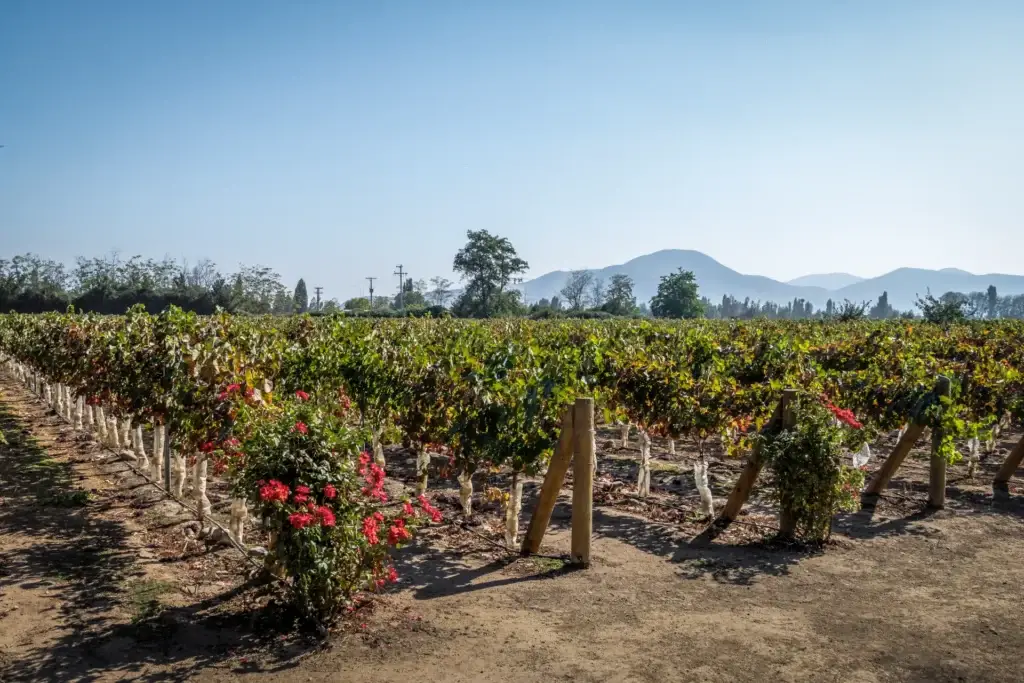
In Chile, harvest takes place between February and April, varying according to the valley, altitude, and variety. A Sauvignon Blanc in Casablanca is picked weeks before a Cabernet Sauvignon in Alto Maipo, because they mature on distinct timetables and target contrasting profiles: brisk vitality for the white, structural maturity for the red.
Destemming and Crushing: Separating the Good from the Green
Once harvested, grape bunches pass through a destemmer (or are sorted by hand in boutique artisanal wineries) to separate the berries from the green woody stems. Stems can impart harsh, green tannins if left indiscriminately, so most winemakers remove them, although some intentionally include a small percentage of whole clusters to build structure in long-aging reds.
Following destemming, the berries are gently crushed to break the skins without shattering the seeds, which contain unpleasantly bitter tannins if damaged.
Fermentation: Where Grape Juice Becomes Wine
This is the magical step that transforms grape must into wine. Yeasts—either ambient wild yeasts native to the grape skins or selected cultured yeasts added by the enologist—consume the sugars in the juice, converting them into alcohol, carbon dioxide, and complex aroma compounds.
The fundamental difference between red and white winemaking happens right here:
- In red wines, the juice ferments in contact with the grape skins and seeds (maceration), extracting deep color, firm tannins, and rich varietal aromatics.
- In white wines, the juice is immediately pressed and separated from the skins before fermentation begins, which is why white wines stay clear even when made from dark-skinned grapes (as seen in Blanc de Noirs sparkling wines).
Alcoholic fermentation typically lasts between one and three weeks, depending on temperature control and the stylistic goals of the winemaker.
Pressing: Extracting the Final Essence
Once red wine fermentation concludes, the free-run wine is drained off, and the remaining solid pomace (skins, pulp, and seeds) is pressed. This “press wine” is naturally more concentrated, dark, and tannic. Winemakers carefully blend specific percentages of press wine back into the free-run wine to fine-tune the wine’s ultimate body and aging backbone.
Aging: The Patient Art of Maturation
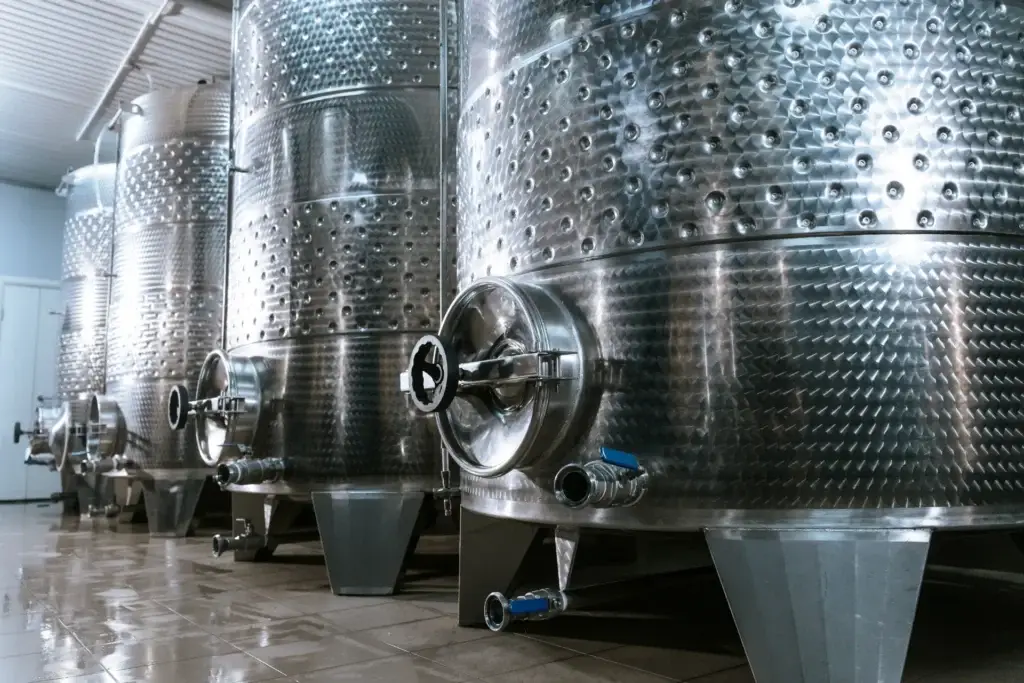
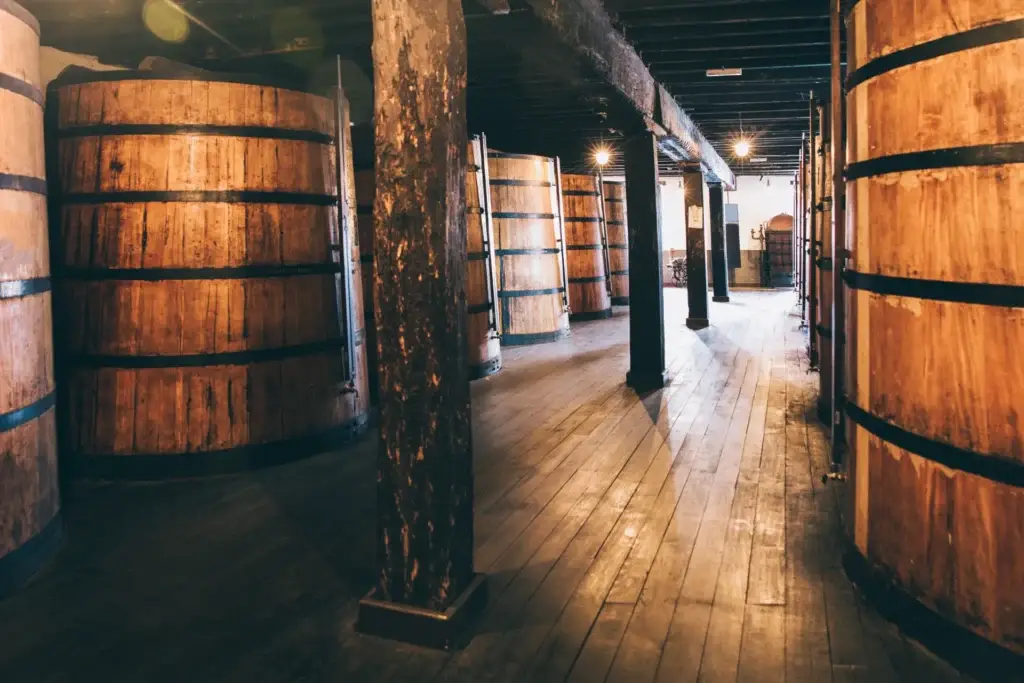
After fermentation, the wine enters a period of maturation. This can take place in stainless steel vats (preserving crisp fruit, typical for fresh whites) or in oak barrels and large foudres (introducing textural complexity, essential for structured reds).
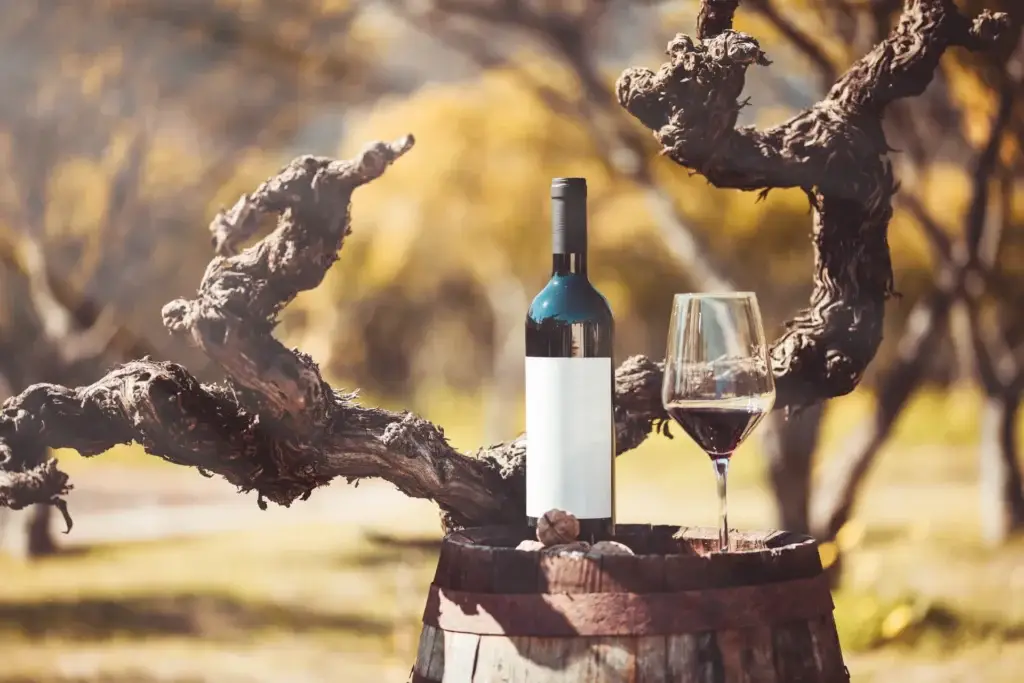
Oak is much more than a vessel: it imparts subtle notes of sweet vanilla, baking spice, and cedar, while allowing microscopic amounts of oxygen to soften and polish youthful tannins. Oak aging does not make a wine inherently superior; it is purely a stylistic choice tailored to the grape’s natural density.
Clarification and Filtration
Before bottling, wine is often fined and filtered to eliminate suspended particles and ensure crystal clarity and stability. An increasing number of contemporary Chilean winemakers choose to bottle “unfiltered,” a growing artisanal philosophy that preserves raw texture and personality.
Bottling: Another Stage of Evolution
Many believe the winemaking process ends at bottling, but in truth, the wine continues to live and evolve inside the bottle. Age-worthy wines mature gracefully over years, developing tertiary notes of leather, truffle, and dried fruits, while youthful wines are intended to be savored within one or two years when their fresh fruit is at its peak.
A Special Case: How Sparkling Wines Are Crafted
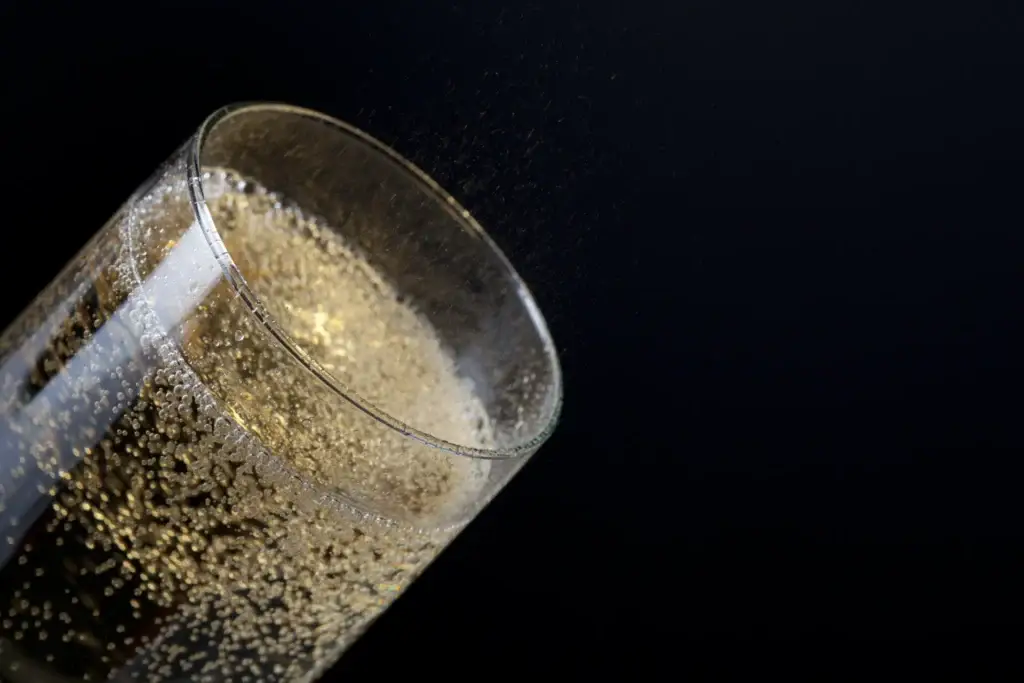
Sparkling wine begins like a still white wine, but takes a unique turn: it undergoes a secondary fermentation, either inside each individual bottle (Traditional / Champenoise method) or in large pressurized tanks (Charmat method). This second fermentation traps carbon dioxide bubbles inside the liquid. Traditional-method sparklers spend months or years resting on dead yeast cells (lees), developing the decadent brioche, pastry, and toasted almond nuances celebrated in world-class sparkling wines.
Why Understanding the Process Matters
Knowing the craftsmanship behind a bottle enriches every sip. A heavily oaked wine isn’t automatically better than an unoaked one—it’s simply a deliberate stylistic statement. The next time you uncork a Chilean wine, you will recognize the thoughtful decisions made seasons ago: when the grapes were harvested, how long they macerated, and how they matured. Each of those decisions is present right inside your glass.